

Rutīns ir aizraujošs savienojums. Tas ir sastopams neskaitāmos medikamentos, kosmētikas līdzekļos, un uztura bagātinātājos, taču pārsteidzoši maz cilvēku zina par tā esamību. Tā ir neizmantota iespēja — it īpaši tiem, kuriem ir redzami kapilāri vai tīklveida vēnas, jo rutīnam vajadzētu būt vienai no pirmajām sastāvdaļām, pēc kuras meklēt. Lai gan lielākā daļa cilvēku zina par C vitamīna pozitīvo ietekmi uz asinsvadu veselību, rutīna papildinošā loma bieži vien tiek pilnībā ignorēta.
Kas ir rutīns
Rutīns ir augu izcelsmes flavonoīds — polifenola savienojuma veids, kas dabīgi sastopams dažādos augu avotos. Farmaceitiskām un kosmētiskām vajadzībām, rutīnu visbiežāk iegūst no Japānas pagodas koka ziedpumpuriem (Styphnolobium japonicum), kā arī no griķu auga, parastā bārbeles, rutēnas, piparmētru, asinszāles, un plūškoka. Tās nav augi, kas parasti tiek lietoti ikdienas ēdienos, kas apgrūtina nozīmīga rutīna daudzuma iegūšanu tikai no uztura. Tas ir žēl, jo rutīns ir arī spēcīgs antioksidants, kas spēj palīdzēt aizsargāt šūnas pret brīvo radikāļu iedarbību — un tā ieguvumi sniedzas daudz tālāk par to.
Kur atrast rutīnu uzturā
Lai gan bagātākie rutīna avoti ir specializēti augu ekstrakti, šis flavonoīds ir sastopams arī daudzos izplatītos augļos un dārzeņos. Pārtikas produkti, kas dabīgi bagāti ar rutīnu, ietver sīpolus, batātes, burkānus, un tomātus, kā arī augļus, piemēram, mellenes, laimus, citronus, apelsīnus, un vīnogas. Ātrums, ar kādu organisms uzsūc rutīnu, var atšķirties atkarībā no pārtikas avota — piemēram, rutīns no griķiem un citrusaugļiem parasti ir vieglāk bioloģiski pieejams. Tomēr, tā kā uzturā uzņemtā deva bieži vien ir mazāka par tradicionālajos uztura bagātinātājos izmantoto daudzumu, daudzi cilvēki izvēlas papildināt rutīna līmeni ar speciāliem uztura bagātinātājiem. Rutīns darbojas īpaši labi kombinācijā ar C vitamīnu, tāpēc abi šie komponenti bieži tiek apvienoti uztura bagātinātāju sastāvā.
Rutīna īpašības un tradicionālie lietojumi
Asinsvadu atbalsts un asinsrite
Rutīna vislabāk zināmā īpašība ir tā tradicionālā loma asinsvadu veselības atbalstīšanā. To plaši izmanto uztura bagātinātājos un ārstnieciskajos līdzekļos, kuru mērķis ir stiprināt vēnu sieniņas un uzlabot to elastību. Palīdzot noslēgt un nostiprināt kapilāru sieniņas, rutīns var veicināt tīmeklveida vēnu parādīšanās samazināšanu un atbalstīt veselīgu asinsriti — īpaši kājās, kur pietūkums un smaguma sajūta ir bieži sastopamas sūdzības.
Šīs īpašības padara rutīnu par populāru sastāvdaļu preparātos, kas paredzēti venozās nepietiekamības, varikozas vēnu, un kāju tūskas ārstēšanai. Tiem, kas interesējas par plašāku sirds un asinsvadu sistēmas atbalstu, rutīnu bieži apsver kopā ar citiem flavonoīdiem un asinsrites bagātinātājiem.
Antioksidantu aizsardzība
Kā flavonoīds, rutīns uzrāda ievērojamu antioksidantu aktivitāti. Tas palīdz neitralizēt brīvos radikāļus un var aizsargāt šūnas visā organismā no oksidatīvā stresa. Tas ir īpaši svarīgi ilgtermiņa labsajūtai, jo oksidatīvie bojājumi ir saistīti ar priekšlaicīgu novecošanos un virkni veselības problēmu. Mūsu antioksidantu klāstā ir dažādi uztura bagātinātāji, kas papildina rutīna aizsargājošās īpašības.
Imūnsistēmas atbalsts un labsajūta aukstā sezonā
Rutīns ir bieži sastopama sastāvdaļa preparātos, kas paredzēti sezonālam imūnsistēmas atbalstam, īpaši aukstajos mēnešos. Kombinācijā ar C vitamīnu,, cinku,, kalciju un selēnu tas veicina visaptverošu pieeju organisma dabisko aizsardzības spēju stiprināšanai. Tā spēja palēnināt C vitamīna oksidēšanos nozīmē, ka C vitamīna imūnsistēmu atbalstošā iedarbība var tikt pagarināta, ja abi tiek lietoti kopā.
Holesterīns un sirds veselība
Vēl viena vērtīga īpašība, kas tiek piedēvēta rutīnam, ir tā spēja samazināt oksidētā holesterīna kaitīgo ietekmi. Oksidēts ZBL holesterīns tiek uzskatīts par sirds un asinsvadu slimību riska faktoru, un rutīna antioksidantu īpašības var palīdzēt neitralizēt šo procesu. Tradicionālajā lietošanā, rutīns tiek saistīts arī ar vispārējās sirds veselības atbalstīšanu un veselīgas asinsrites sistēmas veicināšanu.

Now Foods
Now Foods Rutīns 450 mg - 100 augu kapsulas
Parastā cena €15.99Vienības cena€0.16 par gabalu
Osavi
Osavi C 1000 vitamīns ar rutīnu un savvaļas rozēm - 120 kapsulas
Parastā cena €9.89Vienības cena€0.08 par gabalu
Activlab
Activlab Pharma Rutinox C Imunitāte - 75 tabletes
Parastā cena €1.79Vienības cena€0.02 par gabalu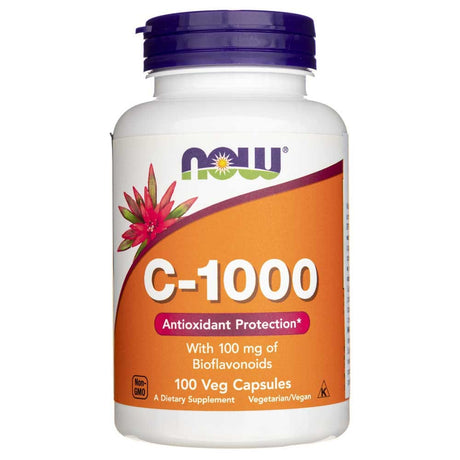


Now Foods
Now Foods C-1000 vitamīns ar bioflavonoīdiem - 100 augu kapsulas
Parastā cena €10.19Vienības cena€0.10 par gabalu


Rutīna blakusparādības un piesardzības pasākumi
Lai gan rutīns ir sastopams daudzos uztura bagātinātājos, zālēs, un kosmētikas līdzekļos, to nevajadzētu uzskatīt par pilnīgi neaktīvu vielu. Ir vairākas mijiedarbības un piesardzības pasākumi, par kuriem jāzina:
- Antikoagulantu zāles — ilgstoša rutīna lietošana var pastiprināt asins šķidrinošo zāļu iedarbību, kas var palielināt asiņošanas risku
- Antidepresanti — tā kā rutīnu bieži lieto kopā ar C vitamīnu, šī kombinācija var samazināt dažu antidepresantu efektivitāti
- Dzelzs uzsūkšanās — rutīna un C vitamīna kombinācija var palielināt dzelzs uzsūkšanos no gremošanas trakta, kas var radīt problēmas cilvēkiem ar dzelzs pārslodzi
- NPL — ilgstoša rutīna lietošana var pastiprināt nesteroīdo pretiekaisuma līdzekļu iedarbību
- Kristāli urīnā — dažos gadījumos, rutīna lietošana ir saistīta ar kristālu veidošanos urīnā
Ja pašlaik lietojat kādus recepšu medikamentus — īpaši asins šķidrinātājus, antidepresantus, vai pretiekaisuma līdzekļus — pirms rutīna uztura bagātinātāja iekļaušanas savā ikdienas režīmā ieteicams konsultēties ar savu ārstu.
Kā izvēlēties rutīna piedevu
Izvēloties rutīna piedevu, ņemiet vērā šādus praktiskos padomus. Atsevišķi rutīna uztura bagātinātāji parasti piedāvā devas 450–500 mg vienā porcijā, kas atbilst tradicionālajos uztura bagātinātājos parasti lietotajiem daudzumiem. Alternatīvi, jūs varat izvēlēties kombinētu formulu, kas ietver rutīnu kopā ar C vitamīnu un citrusu bioflavonoīdiem — šāda kombinācija veicina gan uzsūkšanos, gan papildinošu iedarbību.
Meklējiet produktus no pazīstamiem zīmoliem, kas skaidri norāda rutīna saturu vienā porcijā un sniedz pārredzamu informāciju par izejvielu izcelsmi. Neatkarīgi no tā, vai izvēlaties specializētu rutīna uztura bagātinātāju vai ar bioflavonoīdiem bagātinātu C vitamīna formulu, regulāra ikdienas lietošana ir galvenais nosacījums, lai izbaudītu šī daudzpusīgā flavonoīda pilnīgos labumus.
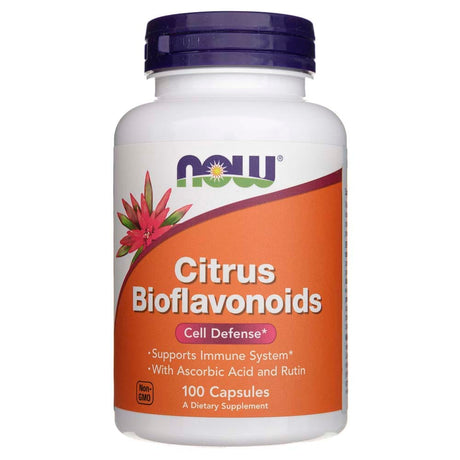


Now Foods
Now Foods Citrusu bioflavonoīdi 700 mg - 100 kapsulas
Parastā cena €12.09Vienības cena€0.12 par gabalu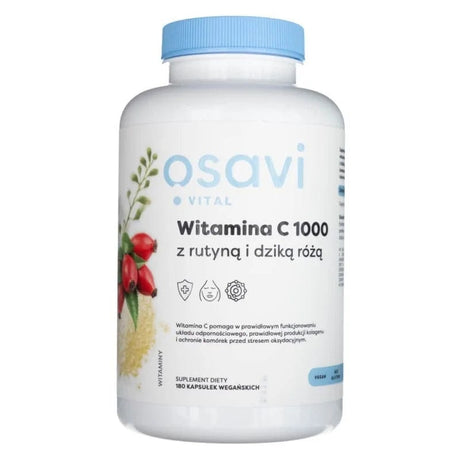


Osavi
Osavi C 1000 vitamīns ar rutīnu un savvaļas rozēm - 180 kapsulas
Parastā cena €13.99Vienības cena€0.08 par gabalu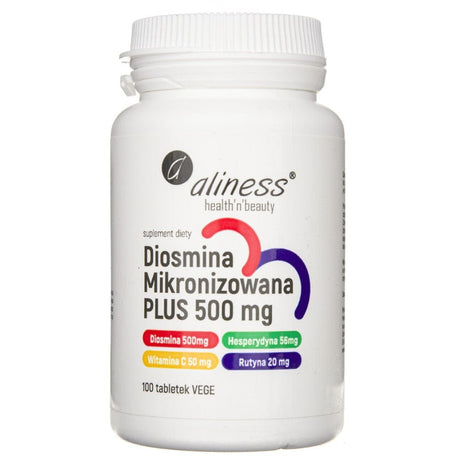


Aliness
Aliness Diosmīns mikronizēts PLUS 500 mg - 100 tabletes
Parastā cena €15.09Vienības cena€0.15 par gabalu


Herbamedicus
Herbamedicus Melnais nags ar rutīnu balzams - 250 ml
Parastā cena €8.99Vienības cena€35.96 /L


Now Foods
Now Foods C-1000 vitamīns ar rožu kauliņiem un bioflavonoīdiem - 100 tabletes
Parastā cena €10.19Vienības cena€0.10 par gabalu


Galvenais secinājums: Rutīns ir daudzpusīgs augu flavonoīds, kas veicina asinsvadu veselību, antioksidantu aizsardzību, un sezonālu imūnsistēmas atbalstu — īpaši, ja to lieto kopā ar C vitamīnu. Lai gan tas ir sastopams ikdienas pārtikas produktos, piemēram, sīpoliem, citrusaugļos, un ogās, uztura bagātinātāji piedāvā ērtu veidu, kā nodrošināt pastāvīgu uzņemšanu. Pārdomāti lietots un ņemot vērā iespējamās mijiedarbības, rutīns var būt vērtīgs papildinājums jūsu ikdienas veselības rutīnai.
Šim rakstam ir tikai informatīvs raksturs, un tas neaizstāj ārsta konsultāciju. Ja jums ir veselības problēmas, esat grūtniece, barojat bērnu ar krūti vai lietojat zāles, konsultējieties ar ārstu vai farmaceitu. Uztura bagātinātāji neaizstāj daudzveidīgu uzturu.


