

Pirmmenstruālais sindroms (PMS), kā tiek lēsts, skar 20–40 % reproduktīvā vecuma sieviešu tādā mērā, ka tas ietekmē ikdienas dzīvi, turklāt aptuveni 5–8 % sieviešu cieš no smagākas formas, ko sauc par PMDD ((priekšmenstruālo disforisko traucējumu)), kas ievērojami traucē funkcionēšanu. Neskatoties uz to, cik izplatīts tas ir, PMS bieži tiek ignorēts vai novērtēts par zemu. Izpratne par tā mehānismiem — un pierādījumiem par uztura, dzīvesveida, un uztura bagātinātāju lietošanas ietekmi — padara to par pārvaldāmu stāvokli lielākajai daļai sieviešu, nevis vienkārši par kaut ko, kas jāpacieš katru mēnesi.
Kas ir PMS un kāpēc tas notiek?
PMS ir fizisko un emocionālo simptomu kopums, kas cikliski parādās menstruālā cikla luteālajā fāzē — 7–14 dienu laikā starp ovulāciju un menstruāciju sākumu. Simptomi izzūd ar asiņošanas sākšanos, kas ir galvenā pazīme, kas atšķir PMS no necikliskām saslimšanām.
Pamata mehānismi nav pilnībā izprasti, bet pašreizējie pierādījumi norāda uz vairākiem savstarpēji saistītiem faktoriem:
- Hormonu svārstības un progesterona metabolīti — estrogēna un progesterona līmenis luteālajā fāzē ievērojami mainās. Allopregnanolons, — progesterona metabolīts, — modulē GABA-A receptorus smadzenēs. Sievietēm ar PMS, neiroloģiskā reakcija uz šīm hormonālajām izmaiņām, šķiet, atšķiras no sievietēm bez PMS, pat tad, ja hormonu līmeņi ir līdzīgi — liecinot par jutības atšķirību, nevis vienkāršu hormonu pārpalikumu vai deficītu.
- Serotonīna regulācijas traucējumi — estrogēns modulē serotonīna sintēzi, receptoru blīvumu, un atpakaļsaistīšanos. Luteālās fāzes laikā, samazinoties estrogēna līmenim, samazinās serotonīnerģiskā aktivitāte. Sievietēm ar PMS šajā fāzē novēro lielāku serotonīna izsīkšanu, kas veicina garastāvokļa simptomus — aizkaitināmību, nomāktību, asarainību un trauksmi —, kas raksturo šo stāvokli.
- Magnija deficīts — luteālās fāzes intracelulārais magnija līmenis sievietēm ar PMS ir ievērojami zemāks salīdzinājumā ar kontroles grupu. Magnijs ir nepieciešams serotonīna sintēzei un piedalās to pašu GABA receptoru modulēšanā, kas ir iesaistīti trauksmes un garastāvokļa regulēšanā.
- B6 vitamīns (piridoksīns) — nepieciešams kā koferments serotonīna, dopamīna, un GABA sintēzē no to aminoskābju prekursoriem. Zems B6 līmenis traucē šo sintēzi un ir pastāvīgi saistīts ar smagākiem ar garastāvokli saistītiem PMS simptomiem.
- Ģenētiskie faktori — pētījumi ar dvīņiem norāda uz nozīmīgu iedzimtības komponenti; ja ir tuva sieviešu dzimuma radiniece ar izteiktu PMS, tas palielina personīgo risku.
Simptomu atpazīšana
PMS rada simptomus divās jomās:
Psiholoģiskie/emocionālie simptomi — uzbudināmība, dusmas, garastāvokļa svārstības, asarainība, trauksme, spriedze, koncentrēšanās grūtības, un nomākts garastāvoklis. Tie bieži vien ir visvairāk traucējošie, jo tie ietekmē attiecības, darba sniegumu, un pašsajūtu dienās pirms menstruācijas.
Fiziskie simptomi — krūšu jūtīgums un pietūkums, vēdera uzpūšanās un diskomforts, galvassāpes (bieži migrēnas veida), sāpes muguras lejasdaļā, locītavu un muskuļu sāpes, nogurums, miega traucējumi, ēstgribas uzplūdi (īpaši pēc ogļhidrātiem un saldajiem ēdieniem), un roku un kāju tūska.
Simptomi parasti sākas 5–7 dienas pirms menstruācijas, sasniedz maksimumu apmēram 2 dienas pirms menstruācijas sākuma, un izzūd 24–48 stundu laikā pēc asiņošanas sākuma. Lai oficiāli diagnosticētu PMS, šis raksturīgais modelis jāreģistrē vismaz divos secīgos menstruācijas ciklos — simptomu dienasgrāmatas veidošana ir noderīga gan diagnostikas nolūkos, gan arī, lai noteiktu, kuri simptomi ir visizteiktākie un prasa mērķtiecīgu ārstēšanu.
Dzīvesveida pieejas: būtisks pamats
Fiziskā aktivitāte
Regulāras aerobiskas fiziskās aktivitātes ir viena no visvairāk atbalstītajām nefarmakoloģiskajām intervencēm PMS simptomu mazināšanai. Šis mehānisms darbojas galvenokārt caur endorfīnu izdalīšanos, serotonīna regulācijas paaugstināšanos, un kortizola modulāciju — visi šie faktori tieši ietekmē neiroķīmiskās izmaiņas, kas izraisa PMS simptomus. Pētījumi liecina, ka sievietēm, kuras regulāri nodarbojas ar fiziskām aktivitātēm, luteālās fāzes laikā ir ievērojami mazāk izteikti garastāvokļa simptomi, mazāks nogurums, un mazāks fizisks diskomforts.
Atslēgas vārds ir “regulāri” — labvēlīgā ietekme uzkrājas, regulāri nodarbojoties ar fiziskām aktivitātēm visā ciklā, nevis tikai tad, kad parādās simptomi. Trīsdesmit minūtes mērenas aerobiskas aktivitātes gandrīz katru dienu sniedz nozīmīgu labumu. Joga un pilates ir papildu pierādījumi tieši attiecībā uz PMS, visticamāk, tāpēc, ka tās apvieno fizisko aktivitāti ar stresa regulēšanu un elpošanas tehnikām.
Uzturs
Vairākiem uztura modeļiem un konkrētām uztura izvēlēm ir dokumentēta ietekme uz PMS smagumu:
- Samaziniet rafinētā cukura un rafinēto ogļhidrātu patēriņu — straujas glikozes līmeņa svārstības asinīs pastiprina garastāvokļa nestabilitāti un enerģijas kritumus luteālās fāzes laikā. Dodot priekšroku sarežģītiem ogļhidrātiem un pārtikai ar augstu šķiedru saturu, tiek stabilizēts cukura līmenis asinīs un veicināta triptofāna pieejamība serotonīna sintēzei.
- Samaziniet kofeīna patēriņu — kofeīns pastiprina trauksmi, krūšu jutīgumu, un miega traucējumus, — visus izplatītos PMS simptomus. Samazinot kofeīna uzņemšanu 7–10 dienas pirms menstruācijas, var panākt ievērojamu atvieglojumu.
- Samaziniet nātrija uzņemšanu — augsts sāls patēriņš veicina šķidruma aizturi organismā un pastiprina vēdera uzpūšanos un diskomfortu krūtīs.
- Palieliniet kalcija bagātu pārtiku — liela mēroga novērošanas pētījumu dati liecina, ka lielāks kalcija patēriņš ir saistīts ar mazāku PMS smagumu; kalcija papildinājumu izmēģinājumi ir apstiprinājuši nozīmīgu emocionālo un fizisko simptomu samazināšanos.
- Triptofāna bagāti produkti — tītars, olas, piena produkti, un sēklas veicina serotonīna sintēzi. Triptofāna avota iekļaušana vakariņās kopā ar sarežģītiem ogļhidrātiem var veicināt labāku garastāvokli un miegu luteālās fāzes laikā.
Stresa pārvaldība un miegs
Psiholoģiskais stress aktivizē HPA asi, paaugstinot kortizola līmeni, kas konkurē ar progesteronu receptoru līmenī un izsūc serotonīnu un magniju — efektīvi vienlaikus pasliktinot visas PMS neiroķīmiskās pazīmes. Tāpēc sievietes pastāvīgi ziņo, ka stresa pilni mēneši rada smagāku PMS. Prakses, kas samazina kortizola līmeni — regulāra relaksācija, pietiekams miegs, apzināšanās, un sociālais atbalsts — nav fakultatīvi dzīvesveida papildinājumi, bet gan fizioloģiski nozīmīgas intervences PMS gadījumā.
Uztura bagātinātāji: Pierādījumi
Vairākiem uztura bagātinātājiem ir spēcīgs pierādījumu pamats PMS simptomu mazināšanai Enough, lai tos minētu galvenajās klīniskajās vadlīnijās:
Magnijs ar B6 vitamīnu
Šī, iespējams, ir visvairāk ar pierādījumiem pamatotā uztura kombinācija PMS ārstēšanai. Vairāki randomizēti pētījumi ir pierādījuši, ka magnija lietošana ievērojami samazina ar garastāvokli saistītus simptomus, trauksmi, šķidruma aizturi, un vēdera uzpūšanos salīdzinājumā ar placebo. Kombinācija ar B6 vitamīnu (, jo īpaši tā aktīvajā formā, piridoksal-5-fosfātā vai P-5-P), šķiet, sniedz lielāku labumu nekā katrs no tiem atsevišķi — abi ir nepieciešami serotonīna un dopamīna sintēzei, un abi parasti izsīkst luteālās fāzes laikā.
Praktiska devu lietošana: 200–400 mg elementārā magnija (citrāta vai glicināta formas tiek labāk uzsūktas) kopā ar 25–50 mg B6, ko lieto katru dienu visā ciklā, bet kas ir īpaši svarīgi 10 dienās pirms menstruācijas. Mūsu magnija uztura bagātinātāju klāsts ietver mērķtiecīgas Mg+B6 kombinācijas:
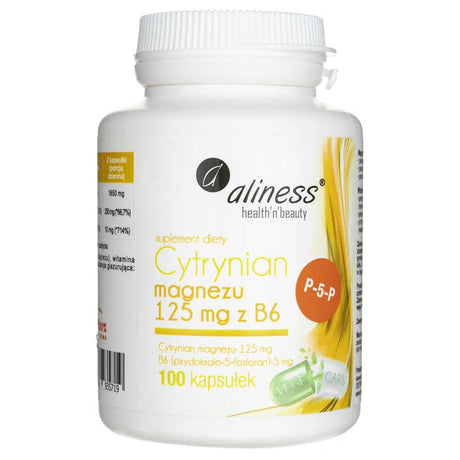


Aliness
Aliness Magnija citrāts 125 mg ar B6 - 100 kapsulas
Parastā cena €10.99Vienības cena€0.11 par gabalu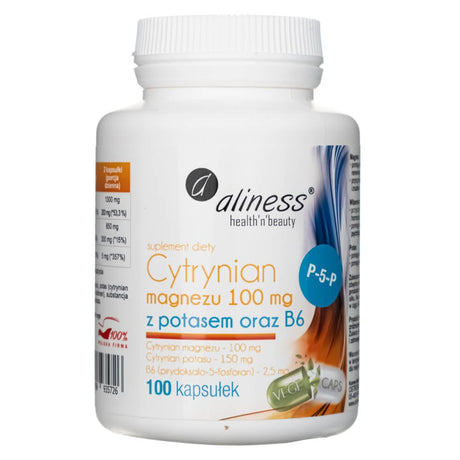


Aliness
Aliness Magnija citrāts 100 mg ar kāliju 150 mg, B6 (P-5-P) - 100 augu kapsulas
Parastā cena €11.99Vienības cena€0.12 par gabalu
Formeds
Formeds Pulveris Mag B6 (magnija un vitamīna B6 pulveris) - 55,8 g
Parastā cena €7.69Vienības cena€13.78 /100g


Safrāns (Crocus sativus)
Safrāna standartizēts ekstrakts 30 mg dienā ir īpaši pētīts saistībā ar PMS garastāvokļa simptomiem vairākos klīniskos pētījumos, parādot ievērojamu samazinājumu uzbudināmībā, garastāvokļa svārstībās, un depresijas simptomos salīdzinājumā ar placebo. Ierosinātais mehānisms ietver serotonīna atpakaļsaistes inhibīciju — līdzīgu ceļu kā SSRI, ko medicīniski izmanto smagas PMS ārstēšanai, lai gan ar ievērojami maigāku iedarbības profilu. Tas ir viens no labāk pierādītajiem augu izcelsmes līdzekļiem PMS emocionālās dimensijas ārstēšanai.
Vakara prīmulas eļļa (GLA)
Vakara prīmulas eļļa nodrošina gamma-linolēnskābi (GLA), — omega-6 taukskābi, kas modulē prostaglandīnu sintēzi. Prostaglandīnu nelīdzsvarotība ir saistīta ar krūšu jutīgumu, krampjiem, un PMS iekaisuma simptomiem. Vairāki pētījumi ir atklājuši, ka GLA papildinājumi ir īpaši efektīvi krūšu jutīguma (mastalgijas) un krampju smaguma mazināšanai.
Vitex agnus-castus (un Dong Quai
Vitex agnus-castus ir visplašāk pētītā augu izcelsmes viela PMS ārstēšanai, kuras iedarbības mehānisms, iespējams, saistīts ar dopamīnerģisko aktivitāti, kas samazina prolaktīna līmeni — augsts prolaktīna līmenis ir saistīts ar krūšu jutīgumu un neregulāriem cikliem. Vairāki pētījumi liecina par ievērojamu simptomu mazināšanos, jo īpaši attiecībā uz krūšu sāpēm, garastāvokļa svārstībām, un cikla neregulāritāti. Dong Quai (Angelica sinensis) ir tradicionāls Austrumāzijas ārstniecības augs, ko plaši izmanto sieviešu hormonālās veselības atbalstam, jo īpaši saistībā ar krampjiem un neregulāriem cikliem, un to arvien biežāk kombinē ar citiem sieviešu veselībai paredzētiem augu izcelsmes līdzekļiem kombinētajos preparātos.
Iepazīstieties ar mūsu augu un augu izcelsmes uztura bagātinātāju kolekciju, kurā atrodami šie sieviešu veselībai paredzētie augu izcelsmes produkti:

Aliness
Aliness Vakara prīmulas eļļa 9% 1000 mg - 90 mīksto kapsulu
Parastā cena €11.59Vienības cena€0.13 par gabalu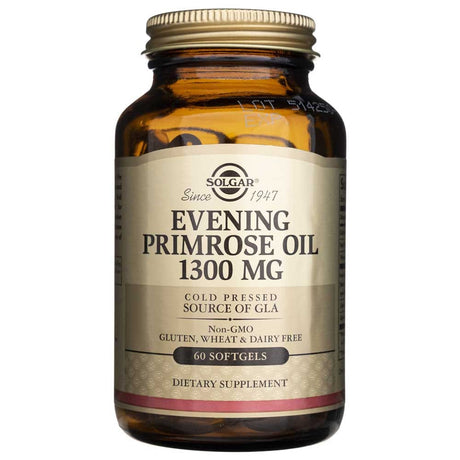


Solgar
Solgar Vakara prīmulas eļļa 1300 mg - 60 mīkstās tabletes
Parastā cena €17.29Vienības cena€0.29 par gabalu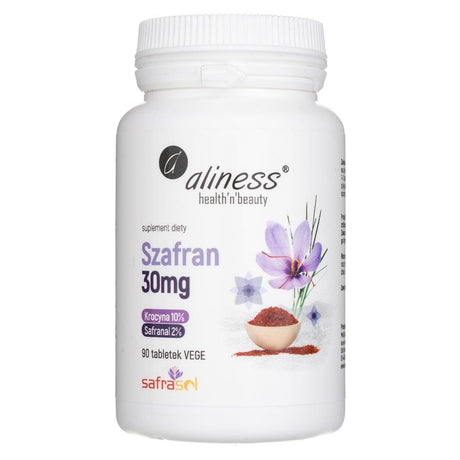


Aliness
Aliness Safrasols Safrasol 2% / 10% 30 mg - 90 tabletes
Parastā cena €12.49Vienības cena€0.14 par gabalu


Swanson
Swanson Pilna spektra safrāns, veselas maltas stigmas 15 mg - 60 kapsulas
Parastā cena €13.99Vienības cena€0.23 par gabalu


Aliness
Aliness Dong Quai 500 mg - 100 augu kapsulas
Parastā cena €11.09Vienības cena€0.11 par gabalu


Vitamīns B6 un saistība ar serotonīnu
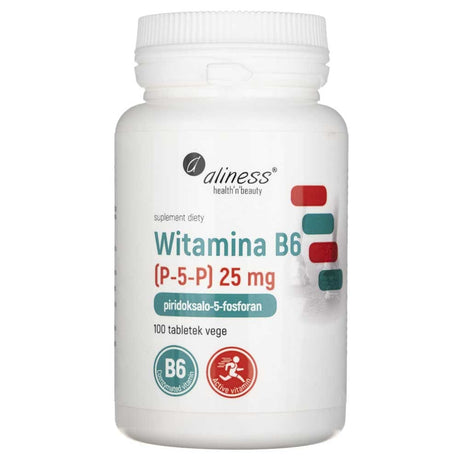
Sievietēm, kuru PMS galvenokārt ir saistīts ar garastāvokli,, var būt vērtīgi tieši atbalstīt serotonīna sintēzi. Vitamīns B6 savā aktīvajā P-5-P formā ir koferments triptofāna pārvēršanā serotonīnā. L-triptofānu (— uzturā esošo aminoskābju prekursoru) — var lietot kā uztura bagātinātāju vakarā, lai atbalstītu serotonīna ražošanu luteālās fāzes laikā. Tās ir maigas metodes, kas risina ar garastāvokli saistītā PMS neiroķīmisko pamatu bez farmakoloģiskas iejaukšanās:


Aliness
Aliness B6 vitamīns (P-5-P) 25 mg - 100 tabletes
Parastā cena €8.39Vienības cena€0.08 par gabalu


Aliness
Aliness L-triptofāns 500 mg - 100 augu kapsulas
Parastā cena €9.09Vienības cena€0.09 par gabalu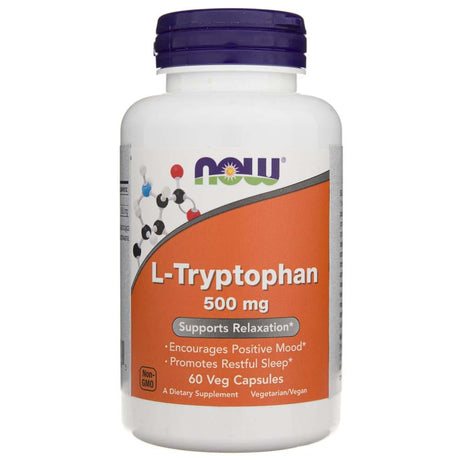


Now Foods
Now Foods L-triptofāns 500 mg - 60 augu kapsulas
Parastā cena €14.89Vienības cena€0.25 par gabalu


Kad vērsties pēc medicīniskās palīdzības
Dzīvesveida un uztura bagātinātāju lietošana lielākajai daļai sieviešu efektīvi palīdz novērst vieglu vai vidēji smagu PMS. Medicīniskā konsultācija ir nepieciešama, ja:
- simptomi ievērojami traucē darba sniegumu, attiecības, vai ikdienas darbības, neskatoties uz vairākus mēnešus ilgu dzīvesveida optimizāciju
- emocionālie simptomi ir smagi — dziļa depresija, pašnāvības domas, ārkārtējs dusmu uzliesmojums, vai panikas lēkmes
- Jūs neesat pārliecināta, vai jūsu simptomi ir PMS vai cita slimība (hipotireoze, perimenopauze, trauksmes traucējumi, un PCOS var izpausties ar pārklājošiem simptomiem)
- Jūs apsverat iespēju lietot hormonālo kontracepciju — noteikti preparāti ir pierādījuši efektivitāti tieši PMS gadījumā, kamēr citi to var pasliktināt
Ginekologs vai ģimenes ārsts var pieprasīt atbilstošus hormonu testus, lai izslēgtu citas cēloņus, un apspriestu, vai SSRI (, kuriem ir visstiprākie farmakoloģiskie pierādījumi smagas PMS un PMDD gadījumā) vai konkrēti hormonālie preparāti ir piemēroti jūsu situācijai.
Šim rakstam ir tikai informatīvs raksturs, un tas neaizstāj ārsta konsultāciju. Ja jums ir veselības problēmas, esat grūtniece, barojat bērnu ar krūti vai lietojat zāles, konsultējieties ar ārstu vai farmaceitu. Uztura bagātinātāji neaizstāj daudzveidīgu uzturu.


