

Liposomas ir mikroskopiskas, burbuļveida struktūras, kas spēj ar neparasti augstu efektivitāti nogādāt aktīvās vielas — vitamīnus, farmaceitiskos savienojumus, vai kosmētikas sastāvdaļas — tieši organismā. Kopš to atklāšanas 1960. gados, tās ir kļuvušas par vienu no visvairāk pētītajām un pielietotajām inovācijām medicīnā, farmācijā, un ādas kopšanā. Bet kas tieši padara liposomu vitamīnus atšķirīgus no standarta uztura bagātinātājiem, un vai šī atšķirība ir tā vērta?
Kas ir liposomas?
Liposomas ir sīki, sfēriski pūslīši, kas sastāv no ūdens-lipīdu dubultslāņa — tāda paša veida struktūras, kāda atrodama cilvēka šūnu membrānās. Tieši šī strukturālā līdzība padara tās par tik ievērojamām vielu pārvadātājām. Kad aktīvā viela ir ieslēgta liposomā, organisma dabiskie procesi to neatzīst par svešu. Tā vietā pūslītis spēj saplūst ar šūnu membrānām un atbrīvot savu saturu ar ievērojami lielāku precizitāti, nekā to ļauj lielākā daļa tradicionālo piegādes metožu.
Šo koncepciju pirmo reizi aprakstīja 20. gadsimta 60. gadu sākumā britu hematologs Alecs Banghams, kura novērojumi par fosfolipīdu struktūrām ūdenī lika pamatus turpmākiem pētījumiem, kas turpinājās vairākus gadu desmitus. Kopš tā laika, liposomu tehnoloģija ir izgājusi tālu ārpus laboratorijas un ir kļuvusi par plaši izmantotu metodi medicīnā, kosmētikā, un uztura bagātinātāju ražošanā.
Kā liposomas tiek izmantotas
Kosmētikā
Viens no pirmajiem liposomu komerciālajiem pielietojumiem bija ādas kopšanā. Kad aktīvās kosmētikas sastāvdaļas — hialuronskābe, retinols, peptīdi, antioksidanti — tiek ietvertas liposomās, tās var iekļūt dziļākajos epidermas slāņos, nevis vienkārši palikt uz virsmas. Liposomu kosmētisko preparātu lietotāji bieži ziņo par ievērojami uzlabotu ādas mitrināšanu, elastību, un starojumu salīdzinājumā ar tradicionālajām formulām. Šie efekti parasti ir ilgstošāki, jo aktīvās vielas tiek nogādātas tur, kur tās patiešām ir nepieciešamas.
Medicīnā un farmācijā
Liposomu izmantošana medicīnā ir bijusi īpaši nozīmīga. Liposomu zāļu preparāti tiek izmantoti, lai piegādātu TiB antibiotikas,, pretsēnīšu līdzekļus un, onkoloģiskās zāles tādā veidā, kas samazina blakusparādības un uzlabo efektivitāti. Liposomas aizsargājošā apvalka dēļ aktīvā viela netiek priekšlaicīgi sadalīta gremošanas sistēmā vai asinsritē,, ļaujot tai sasniegt mērķa audus neizmainītā un koncentrētā formā. Uztura bagātinātāju jomā liposomu tehnoloģija visplašāk tiek izmantota attiecībā uz C vitamīnu, kā arī arvien plašāk kļūst pieejamas liposomu versijas D, K, B12 vitamīniem un glutationam. plaši pieejamas. Visām šīm vielām kopīga iezīme ir uzlabota bioloģiskā pieejamība — tas nozīmē, ka lielāka daļa uzņemtās vielas faktiski nonāk sistēmiskajā asinsritē un sasniedz šūnas, kurām tā nepieciešama. Izpētiet mūsu pilno vitamīnu un uztura bagātinātāju klāstu, lai iegūtu pārskatu par pieejamajiem formātiem.
Kāpēc bioloģiskā pieejamība ir svarīga?
Ne viss, ko norijat, tiek uzsūkts. Lietojot standarta perorālos uztura bagātinātājus, daļa aktīvās vielas tiek sadalīta kuņģa skābē, metabolizēta aknās pirmajā caurbraucienā caur organismu, vai vienkārši netiek efektīvi uzsūkta zarnās. Dažiem uzturvielu veidiem un atsevišķiem indivīdiem, tas var nozīmēt, ka faktiskais daudzums, kas nonāk asinsritē, ir tikai daļa no norādītās devas.
Liposomu preparāti ir izstrādāti, lai risinātu šo problēmu. Tā kā lipīdu apvalks ir ļoti līdzīgs organisma paša šūnu membrānām, tas var vieglāk šķērsot zarnu sieniņu un apiet daļu no metabolisma zudumiem, kas saistīti ar tradicionālo uztura bagātinātāju lietošanu. Tādēļ liposomāla piegāde ir īpaši piemērota cilvēkiem ar gremošanas traucējumiem, kas ietekmē uzturvielu uzsūkšanos, ikvienam, kam nepieciešamas lielākas devas, nekā standarta produkti reāli spēj nodrošināt, vai vienkārši tiem, kuri vēlas maksimāli palielināt uztura bagātinātāju efektivitāti.
Kas jāņem vērā, izvēloties liposomālos vitamīnus
Ne visi produkti, kas marķēti kā "liposomāli", sniedz vienādu rezultātu. Izšķirošais faktors ir liposomu stabilitāte kuņģī. Kuņģa tranzīta laikā — kas var ilgt divas līdz četras stundas — liposomas nonāk skābā vidē un var apvienoties lielākos kopumos. Kad tas notiek, to spēja šķērsot zarnu sieniņu ievērojami samazinās. Kuņģa skābe var arī pilnībā noārdīt lipīdu apvalku, pārāk agri atbrīvojot saturu un neļaujot sasniegt kapsulēšanas mērķi.
Labi izstrādātam liposomu produktam jāizmanto fosfolipīdi ar pietiekamu kvalitāti un koncentrāciju, lai saglabātu strukturālo integritāti kuņģa tranzīta laikā. Daži produkti pievieno papildu aizsardzības slāni — piemēram,, kapsulu ar enterisko apvalku vai buferētu šķidrā formulu — lai liposomas sāktu sadalīties tikai tad, kad tās sasniedz zarnas, atbrīvojot aktīvo vielu sistēmiskajā asinsritē optimālajā brīdī.
Salīdzinot produktus, pievērsiet uzmanību skaidrai marķējumam par fosfolipīdu saturu, liposomu izmēru (— mazākas pūslītes parasti ir stabilākas un labāk uzsūcas), — un tam, vai produkts ir neatkarīgi pārbaudīts. Mūsu liposomālā C vitamīna kolekcija ietver izvēles iespējas no zīmoliem ar iedibinātiem kvalitātes standartiem un neatkarīgu testēšanu.
Liposomālais C vitamīns: populārākais lietošanas veids
C vitamīns ir ūdenī šķīstošs, kas rada dabisku ierobežojumu tam, cik daudz zarnas var uzsūkt vienā reizē no standarta uztura bagātinātājiem — šo parādību sauc par piesātināmo absorbciju. Lielas perorālās devas parasti rada samazinātu atdevi, un liekais daudzums vienkārši tiek izvadīts. Liposomāla kapsulēšana tiek plaši izmantota, lai novērstu šo ierobežojumu, ļaujot lielākām efektīvām devām sasniegt asinsriti bez gremošanas diskomforta, kas dažkārt saistīts ar lielām standarta devām.
Liposomālais C vitamīns joprojām ir ļoti nozīmīgs imūnsistēmas atbalstam, kolagēna sintēzei, antioksidantu aizsardzībai, un virsnieru darbībai. Tas ir īpaši populārs periodos, kad ir paaugstināts fizisks vai psiholoģisks stresa līmenis, kad organisma C vitamīna pieprasījums ievērojami palielinās.
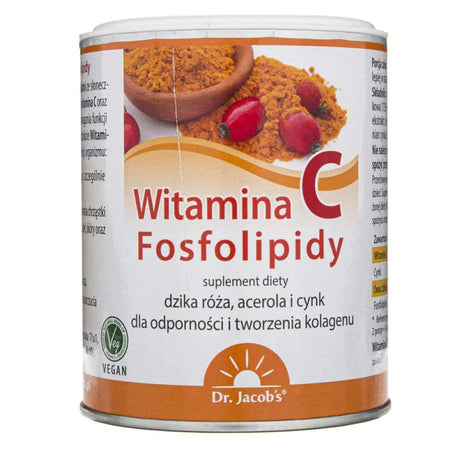


Aliness
Liposomālais C vitamīns 1000 (Buferēts), Apelsīns - 250 ml
Parastā cena €16.79Vienības cena€67.16 /L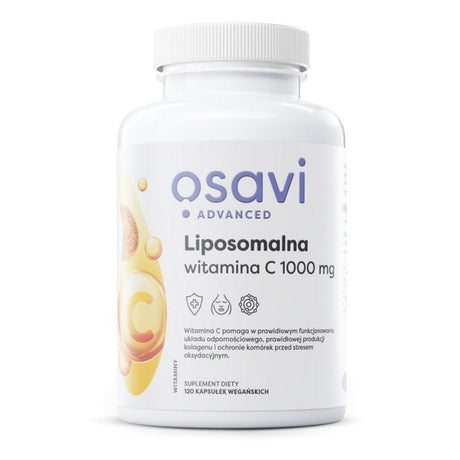
Osavi
Osavi Liposomālais C vitamīns 1000 mg - 120 kapsulas
Parastā cena €23.39Vienības cena€0.19 par gabalu


Vairāk par C-vitamīnu: Citi liposomālie uztura bagātinātāji, par kuriem ir vērts zināt
Liposomālais formāts ir paplašināts, aptverot arvien plašāku uzturvielu klāstu. Liposomālais D3 vitamīns ir noderīga izvēle cilvēkiem ar tauku uzsūkšanās problēmām, jo D vitamīns ir taukos šķīstošs un tā uzsūkšanās var atšķirties atkarībā no indivīda. Liposomālais K2 vitamīns dabīgi papildina D3, atbalstot kalcija vielmaiņu un sirds un asinsvadu veselību. Liposomālais B12 un B-kompleksa preparāti ir īpaši piemēroti ikvienam, kurš ievēro augu izcelsmes uzturu, kurā B12 uzņemšana no pārtikas avotiem pēc definīcijas ir ierobežota.
Īpaši jāpiemin liposomālais glutationa. Glutationam ir organisma galvenais intracelulārais antioksidants, taču tas ir pazīstams ar to, ka standarta perorālajā formā tas slikti uzsūcas, jo tiek sadalīts gremošanas traktā, pirms tas var iekļūt šūnās. Liposomālā piegāde ir viena no efektīvākajām pašlaik pieejamajām neintravenozajām metodēm intracelulārā glutationa līmeņa paaugstināšanai. To izmanto dažādos kontekstos, sākot no vispārēja antioksidantu atbalsta līdz aknu veselībai un r Ecover y pēc intensīvas fiziskas slodzes. Pārlūkojiet mūsu pilno liposomālo vitamīnu un uztura bagātinātāju klāstu, lai atrastu sev piemērotāko formātu.


Now Foods
Now Foods B-12 vitamīna liposomālais aerosols - 59 ml
Parastā cena €13.99Vienības cena€23.71 /100ml 16% atlaide
Aliness
Liposol Liposomālais D3 vitamīns 4000 IU - 250 ml
Izpārdošanas cena €12.90 Parastā cena €15.29Vienības cena€51.60 /L
Aliness
Liposol Liposomālais vitamīns K2 (Vita MK7) 100 IU - 250 ml
Parastā cena €16.59Vienības cena€66.36 /L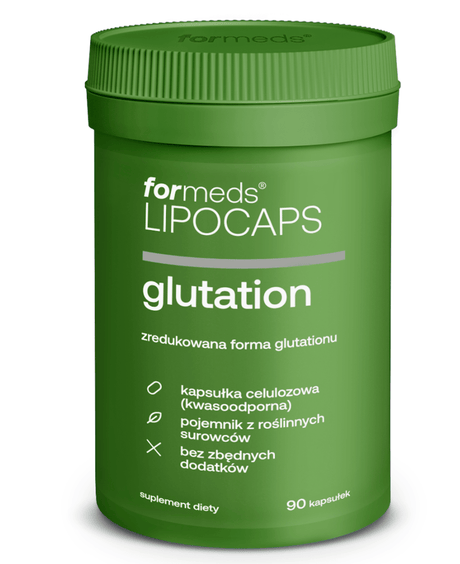
Formeds
Formeds Liposomālais glutations - 90 kapsulas
Parastā cena €20.99Vienības cena€0.23 par gabalu


Šim rakstam ir tikai informatīvs raksturs, un tas neaizstāj ārsta konsultāciju. Ja jums ir veselības problēmas, esat grūtniece, barojat bērnu ar krūti vai lietojat zāles, konsultējieties ar ārstu vai farmaceitu. Uztura bagātinātāji neaizstāj daudzveidīgu uzturu.


