

Ķermeņa sausā birstīšana ir viens no vienkāršākajiem un pieejamākajiem pašaprūpes rituāliem — nav nepieciešams pierakstīties, nav vajadzīgas īpašas prasmes, un rezultāti ir redzami jau pēc dažām nedēļām. Regulāra ķermeņa birstīšana ar dabīgo sariņu birsti var palīdzēt samazināt celulīta izpausmes, izlīdzināt nevienmērīgu ādas tekstūru, veicināt limfas cirkulāciju, un radīt enerģijas pieplūdumu. Šeit ir viss, kas jums jāzina, lai sāktu un gūtu maksimālu labumu.
Kā veikt ķermeņa sausā birstīšanu: pareizā tehnika
Tehnika ir svarīgāka nekā laiks, ko veltāt šim rituālam. Kājām un rokām, izmantojiet garus, slīdošus kustības virzienā uz sirdi — tas nav tikai estētisks izvēles jautājums, bet atbalsta dabisko limfas plūsmu, kas virzās šajā virzienā. Piespiediet Enough, lai justu, kā sari darbojas uz ādas, bet ne tik stipri, lai sajūta kļūtu sāpīga vai āda paliktu sarkana un kairināta ilgāk par dažām minūtēm.
Kad sasniedzat vēderu, pārejiet uz maigām apļveida kustībām pulksteņrādītāja virzienā, sekojot gremošanas sistēmas dabiskajam ceļam. Āda uz vēdera parasti ir jutīgāka, tāpēc šajā zonā samaziniet spiedienu. Attiecībā uz muguru un pleciem, piemērojiet tos pašus garos vilcienus — tieši šeit suka ar pagarinātu rokturi ievērojami atvieglo procesu.
Pilna ķermeņa procedūrai vajadzētu ilgt apmēram desmit līdz piecpadsmit minūtes. Nav nekādas jēgas steigties — daži rūpīgi, apzināti vilcieni katrā zonā ir efektīvāki nekā steidzīgi pārvilkumi. Pēc ķermeņa birstīšanas seko duša, lai noņemtu atmirušās ādas šūnas, pēc tam uzklājiet barojošu ķermeņa eļļu vai losjonu, kamēr āda vēl ir nedaudz siltā.
Kādus rezultātus varat sagaidīt?
Sausai ķermeņa birstīšanai ir vairākas izteiktas priekšrocības, no kurām lielākā daļa veidojas ar laiku, regulāri to veicot. Visbiežāk minētie efekti ir:
- Samazināta celulīta izpausme — regulāra ķermeņa birstīšana uzlabo vietējo asinsriti un var palīdzēt sadalīt šķidruma un tauku nogulsnes zem ādas, kas rada nelīdzeno tekstūru. Vislabāk redzami rezultāti ir redzami uz augšstilbiem, sēžamvietas, un vēdera.
- Uzlabota ādas tekstūra — sariņu mehāniskā iedarbība noņem atmirušās ādas šūnas no virsmas, padarot ādu ievērojami gludāku un mīkstāku. Tas arī ļauj mitrinošajiem krēmiem un ķermeņa eļļām efektīvāk iesūkties.
- Palīdz novērst striju veidošanos — uzlabojot asinsriti ādā un atbalstot tās elastību, ķermeņa birstīšana var palīdzēt novērst jaunu striju veidošanos un pakāpeniski mīkstināt esošās. Tas ir viens no iemesliem, kāpēc tā ir populāra sieviešu vidū pēc grūtniecības.
- Ieaugušo matiņu samazināšana — maigā eksfoliacija palīdz novērst iesprūdušos matiņus, kas parasti rodas pēc skūšanās vai vaskošanas, samazinot apsārtumu un kairinājumu skartajās zonās.
- Limfātiskā sistēmas atbalsts — virziena kustības uz sirdi stimulē limfas plūsmu, kas palīdz izvadīt vielmaiņas atliekas un atbalsta imūnsistēmas darbību.
- Uzlabota enerģija un garastāvoklis — daudzi cilvēki atzīst, ka rīta ķemmēšanas seanss sniedz jūtamu enerģijas pieplūdumu. Ādas fiziskā stimulācija aktivizē nervu sistēmu un var kalpot kā efektīvs, bezkofeīna veids, kā sākt dienu.
Redzami rezultāti parasti parādās pēc divām līdz trīs nedēļām, ikdienā veicot šo procedūru. Konsekvence ir izšķirošais faktors — neregulāra ķermeņa birstīšana rada neregulārus rezultātus.
Cik bieži vajadzētu veikt ķermeņa birstīšanu?
Ikdienas ķermeņa birstīšana ir standarta ieteikums ikvienam, kurš vēlas redzēt nozīmīgus rezultātus. Tie, kas vēlas panākt maksimālu efektu, var veikt procedūru divreiz dienā — no rīta, lai iegūtu enerģiju, un vakarā kā nomierinošu rituālu pirms gulētiešanas. Ja jūsu āda ir jutīgāka vai jūs tikai sākat, sāciet ar katru otro dienu un palieliniet biežumu, kad āda pierod pie stimulācijas.
Ēterisko eļļu pievienošana: rituāla uzlabošana
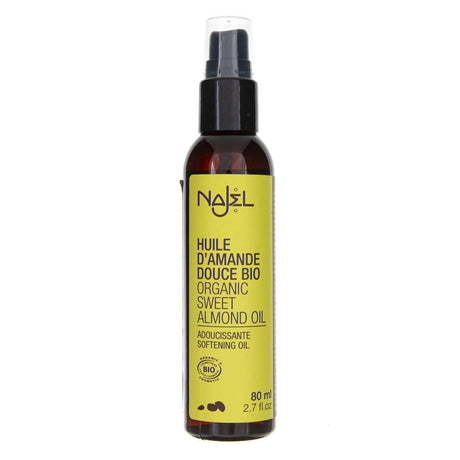
Sausā ķermeņa birstīšana un aromterapija ir dabīgi sabiedrotie. Pēc berzēšanas, uzklājiet dažus pilienus ēteriskās eļļas, kas atšķaidīta nesējēļļā — piemēram, jojobas, saldo mandeļu, vai kokosriekstu —, kas pastiprina gan fiziskās, gan sensorās rituāla priekšrocības. Svaigi eksfoliētā āda uzsūc maisījumu daudz labāk nekā pirms berzēšanas.
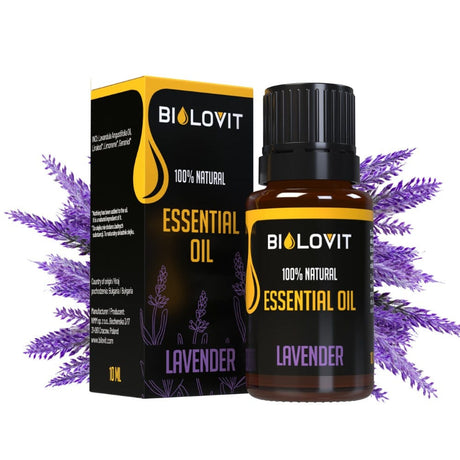
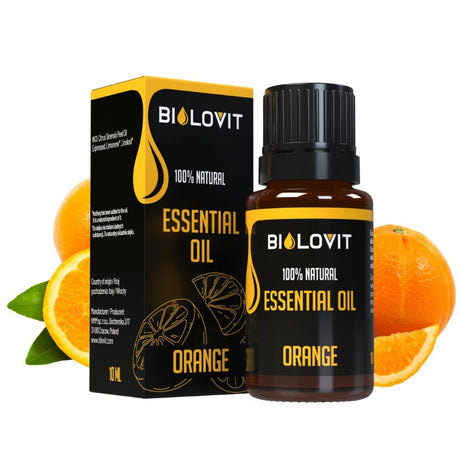
Rīta seansam, īpaši labi der citrusu un sveķainās eļļas. Greipfrūta, citrona, un apelsīna ēteriskajām eļļām piemīt uzmundrinošas, attīrošas īpašības, un tās bieži tiek minētas to potenciāla dēļ uzlabot celulīta skartās ādas izskatu. Kadiķa oga ir vēl viena populāra izvēle — to tradicionāli izmanto, lai veicinātu asinsriti un limfas drenāžu. Vakara seansam, lavanda ir klasiska izvēle: nomierinoša, ādu atbalstoša, un efektīva fiziskā spriedzes mazināšanai pēc masāžas stimulācijas. Ciedra ir vērts apsvērt tās zemes, nedaudz koksainā aromāta un ilggadējās lietošanas vēstures dēļ ādas kopšanas formulās.
Iepazīstieties ar mūsu pilno atsevišķās ēteriskās eļļas un aromterapijas produkti, lai atrastu pareizo kombināciju savai ikdienas rutīnai.




Kā izvēlēties pareizo sausās ķermeņa birsti
Atšķirība starp labu un sliktas kvalitātes birsti visvairāk redzama sariņos. Dabiskie sari — parasti mežacūkas sari vai augu šķiedras — ir lielākās daļas cilvēku vēlamā izvēle. Tie nodrošina efektīvu pīlingu bez sintētisko alternatīvu, abrazivitātes un mazāk var izraisīt ādas reakcijas. Blīvāks saru izvietojums parasti nodrošina labākus rezultātus.
Ņemiet vērā izmēru un roktura formu atkarībā no tā, kur plānojat to visbiežāk lietot. Kompakta īss rokturis, ir viegli manevrējams Enough kājām, rokām, un vēderam, kā arī ērti ņemams līdzi ceļojumos. Ja vēlaties sasniegt muguru un plecus, nepiepūloties,, garas roktura birste ir praktiska izvēle. Daži cilvēki tur abas. Pārlūkojiet mūsu ķermeņa kopšanas kolekciju, lai uzzinātu par pieejamajām iespējām.
Kam vajadzētu izvairīties no sausās ķemmēšanas?
Sausā ķermeņa birstīšana ir zema riska prakse, bet tā nav piemērota visiem. Nelietojiet birsti uz bojātas vai iekaisušas ādas, atvērtām brūcēm, saules apdegumiem, vai aktīviem izsitumiem. Cilvēkiem ar ādas slimībām, piemēram, ekzēmu, psoriāzi, vai pinnes, vajadzētu pilnībā izvairīties no skartajām vietām, jo mehāniska stimulācija var pasliktināt iekaisumu. Cilvēkiem ar varikozām vēnām vajadzētu maigi berzēt ap — nevis tieši virs — skartajiem asinsvadiem. Sievietēm ar augsta riska grūtniecību pirms lietošanas sākšanas jākonsultējas ar ārstu.




Šim rakstam ir tikai informatīvs raksturs, un tas neaizstāj ārsta konsultāciju. Ja jums ir veselības problēmas, esat grūtniece, barojat bērnu ar krūti vai lietojat zāles, konsultējieties ar ārstu vai farmaceitu. Uztura bagātinātāji neaizstāj daudzveidīgu uzturu.


