

Sportisti labāk par visiem saprot, ka noteiktas vielas vienkārši ir jāuzņem papildus. Tas jo īpaši attiecas uz vielām, kuras organisms nespēj pats sintezēt un kuras ir grūti iegūt pietiekamā daudzumā, vienīgi lietojot pārtiku. Lai gan sabalansēts uzturs var apmierināt vidēji aktīva cilvēka vajadzības, intensīvu fizisko treniņu prasības ir pavisam cita lieta. Tieši šeit savu lomu sāk spēlēt BCAA — viens no visplašāk lietotajiem sporta uztura bagātinātājiem pasaulē.
Kas ir BCAA
BCAA ir saīsinājums no zarotās ķēdes aminoskābēm — trīs neaizvietojamo (eksogēno) aminoskābju grupa, ko organisms nespēj sintezēt pats un kas jāuzņem ar pārtiku vai uztura bagātinātājiem. Šīs trīs aminoskābes ir leicīns, valīns, un izoleicīns, un tās sauc par "zarotās ķēdes" aminoskābēm to molekulārās struktūras dēļ, kurai raksturīga sānu ķēde, kas atzarojas no galvenās oglekļa skeleta. Kopā BCAA veido aptuveni 35 % no muskuļu olbaltumvielās esošajām neaizvietojamajām aminoskābēm, kas uzsver to būtisko lomu muskuļu audu veidošanā un uzturēšanā. Atšķirībā no vairuma citu aminoskābju, kas tiek metabolizētas aknās, BCAA ir unikālas ar to, ka tās tiek metabolizētas tieši muskuļos — tādējādi tās fiziskās slodzes laikā nekavējoties kļūst pieejamas kā enerģijas avots. Tas ir viens no iemesliem, kāpēc tās ir kļuvušas par būtisku uztura bagātinātāju sastāvdaļu gan iesācējiem, gan pieredzējušiem sportistiem.
Kā darbojas katra BCAA
Lai gan trīs atzarotās ķēdes aminoskābes darbojas sinerģiski, katra no tām piedāvā savas īpašības:
Leicīns — muskuļu veidotājs
Leicīns tiek plaši uzskatīts par svarīgāko no trim BCAA muskuļu augšanai. Tā tieši stimulē muskuļu proteīnu sintēzi (MPS), aktivizējot mTOR signālceļu — organisma galveno mehānismu jauna muskuļu audu veidošanai. Leicīns palīdz arī neitralizēt kortizola, ietekmi — stresa hormona, kas veicina kataboliskos (muskuļu noārdīšanas) procesus. Šī dubultā iedarbība — anabolisma veicināšana vienlaikus ar katabolisma kavēšanu — padara leicīnu par BCAA uztura bagātinātāju pamatu.
Valīns — aizsargs
Valīns pilda aizsargājošu lomu, palīdzot pasargāt muskuļu audus no sabrukuma intensīvas fiziskās slodzes laikā. Tā arī atbalsta augšanas hormona līmeņa regulēšanu un veicina efektīvāku enerģijas ražošanu muskuļos. Ilgstošu treniņu laikā, valīns palīdz uzturēt izturību, kalpojot kā alternatīvs enerģijas substrāts, kad glikogēna rezerves izsīkst.
Izoleicīns — regulators
Izoleicīnam piemīt tādu pašu pretkatabolisko īpašību kā tā analogiem, taču tam ir papildu priekšrocība — tas piedalās cukura līmeņa regulēšanā asinīs un veicina glikozes uzsūkšanos muskuļu šūnās. Tas ir īpaši vērtīgi treniņu laikā un pēc tiem, kad stabila enerģijas līmeņa uzturēšana ir izšķiroša sniegumam un atgūšanai.
BCAA uztura bagātinātāju galvenās priekšrocības
Leicīna, valīna, un izoleicīna kombinētā iedarbība sniedz plašu priekšrocību spektru ikvienam, kurš regulāri nodarbojas ar fiziskām aktivitātēm. Svarīgākās no tām ir:
- Katabolisma inhibīcija — esošā muskuļu audu aizsardzība pret noārdīšanos, īpaši periodos ar ierobežotu kaloriju uzņemšanu
- Anabolisma paātrināšana — proteīnu sintēzes stimulēšana ātrākai muskuļu augšanai un atjaunošanai
- Fiziskās slodzes izraisītā noguruma mazināšana — BCAA konkurē ar triptofānu par iekļūšanu smadzenēs, potenciāli aizkavējot centrālās noguruma parādīšanos
- Ķermeņa sastāva atbalstīšana — veicinot tauku samazināšanu, vienlaikus saglabājot muskuļu masu
- Izturības uzlabošana — kalpojot kā tiešs enerģijas avots strādājošiem muskuļiem ilgstošas aktivitātes laikā
- Atjaunošanās uzlabošana Ecover y — samazina muskuļu sāpes (DOMS) un paātrina r Ecover y starp treniņu sesijām
Šīs īpašības padara BCAA nozīmīgus ne tikai kultūristiem un spēka sportistiem, bet arī izturības sportistiem, komandu sporta veidu spēlētājiem, un ikvienam, kas vēlas uzlabot savu sporta uztura stratēģiju.

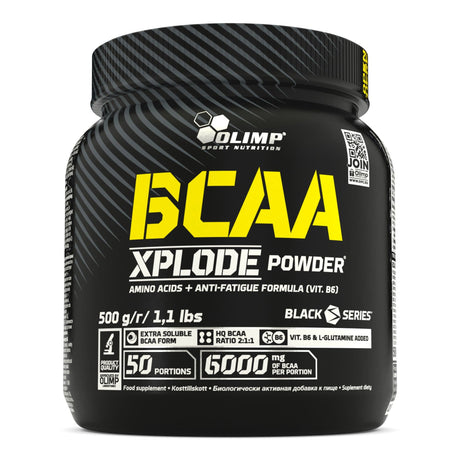

 5% atlaide
Olimp
Olimp BCAA Xplode pulveris, ar apelsīnu garšu - 500 g
Izpārdošanas cena €27.64 Parastā cena €29.09Vienības cena€55.28 /kg


Kad lietot BCAA
Laiks var būtiski ietekmēt to, cik efektīvi BCAA atbalsta jūsu treniņu. Šeit ir visbiežāk izmantotie lietošanas veidi:
Pirms treniņa — BCAA lietošana 15–30 minūtes pirms treniņa palīdz nodrošināt, ka aminoskābju līmenis ir paaugstināts, sākot vingrinājumus. Tas ir īpaši noderīgi treniņiem tukšā dūšā, kad muskuļu proteīnu noārdīšanās risks ir augstāks.
Starp treniņu veidiem — daudzi sportisti lieto BCAA pēc spēka treniņa pabeigšanas, bet pirms kardio sākšanas. Tas palīdz aizsargāt muskuļu audus treniņa aerobajā daļā, kad organisms biežāk izmanto aminoskābes kā enerģijas avotu.
Pēc treniņa — BCAA lietošana pēc treniņa (, ideāli 15–20 minūtes pēc tā pabeigšanas), atbalsta r Ecover y un iedarbina muskuļu atjaunošanos. To bieži apvieno ar proteīna avotu, lai gūtu maksimālu labumu.
Samazināšanas fāzēs — BCAA papildinājums ir īpaši svarīgs kaloriju ierobežošanas periodos (samazināšanas), laikā, kad muskuļu katabolisma risks ir visaugstākais. BCAA palīdz saglabāt muskuļu masu pat tad, ja organismā ir kaloriju deficīts.
Atpūtas dienās — daudzi sportisti turpina lietot BCAA piedevas dienās, kad netrenējas, parasti uzņemot vienu devu no rīta tukšā dūšā un otru pirms gulētiešanas, lai atbalstītu nepārtrauktu r Ecover y un uzturētu pozitīvu slāpekļa bilanci.
BCAA devas
Ieteicamā BCAA dienas deva parasti svārstās no 7 g līdz 20 g, un lielākā daļa sportistu uzskata, ka 10 g dienā nodrošina efektīvu pamata līmeni. Šo devu var sadalīt divās vai trīs porcijās — piemēram, pirms, treniņa laikā un pēc treniņa.
Muskuļu masas palielināšanas fāzēs daži sportisti nedaudz palielina BCAA devu, lai nodrošinātu papildu pretkatabolisko aizsardzību. BCAA ir pieejami gan pulvera, gan kapsulu/tablešu formā — aktīvās sastāvdaļas ir identiskas, tāpēc izvēle ir atkarīga no personīgajām vēlmēm. Pulverus var sajaukt ar ūdeni, lai iegūtu dzērienu treniņa laikā, savukārt tabletes ir ērts risinājums tiem, kuri dod priekšroku ātrai, un precīzi izmērītai devai. Leicīna, izoleicīna un valīna attiecība ir vēl viens apsvērums. Visbiežāk sastopamās attiecības ir 2:1:1 un 8:1:1. 2:1:1 attiecība ir visplašāk pētīta un nodrošina sabalansētu profilu, savukārt augstākas leicīna attiecības (, piemēram, 8:1:1), dod priekšroku muskuļu proteīnu sintēzei.
Blakusparādības un piesardzības pasākumi
BCAA parasti ir ļoti labi panesami un tiek uzskatīti par drošiem, ja tos lieto ieteiktajās devās. Tomēr, ir daži piesardzības pasākumi, kas ir vērts paturēt prātā:
- Nieru un aknu slodze — pārmērīga, ilgstoša lietošana, pārsniedzot ieteicamos līmeņus, laika gaitā var apgrūtināt šos orgānus
- Aminoskābju nelīdzsvarotība — ļoti liels BCAA devas uzņemums bez pietiekama kopējā olbaltumvielu daudzuma var traucēt citu aminoskābju uzsūkšanos
- Ietekme uz cukura līmeni asinīs — tā kā izoleicīns ietekmē glikozes vielmaiņu, cilvēkiem ar diabētu vai cukura līmeņa problēmām asinīs ir rūpīgi jāuzrauga šie rādītāji
- Grūtniecība un zīdīšana — šajos periodos BCAA lietošana nav ieteicama bez ārsta norādījumiem
Lai sasniegtu labākos rezultātus, BCAA jāuzskata par daļu no visaptverošas aminoskābju un uztura stratēģijas — nevis kā atsevišķu risinājumu. BCAA apvienošana ar kvalitatīvu proteīna avotu un atbilstošu vispārējo uzturu palielina to efektivitāti.
BCAA un papildinošie uztura bagātinātāji
BCAA darbojas īpaši labi kopā ar citiem sporta uztura bagātinātājiem. L-glutamīns ir vispopulārākais papildinājums — tas atbalsta imūnsistēmas darbību un zarnu veselību, kuras abas var tikt apdraudētas intensīvas treniņu dēļ. Daudzu BCAA produktu sastāvā jau ir iekļauts glutamīns. Kreatīns ir vēl viens lielisks papildinājums, kas atbalsta spēku un jaudu, darbojoties ar citu mehānismu. Lai iegūtu pilnvērtīgu pirms treniņa kombināciju, BCAA var kombinēt arī ar proteīna pulveriem, lai nodrošinātu visaptverošu aminoskābju klāstu.

 25% atlaide
BioTech USA
BioTech USA BCAA + glutamīns Zero, Orange - 480 g
Izpārdošanas cena €28.71 Parastā cena €38.29Vienības cena€59.81 /kg


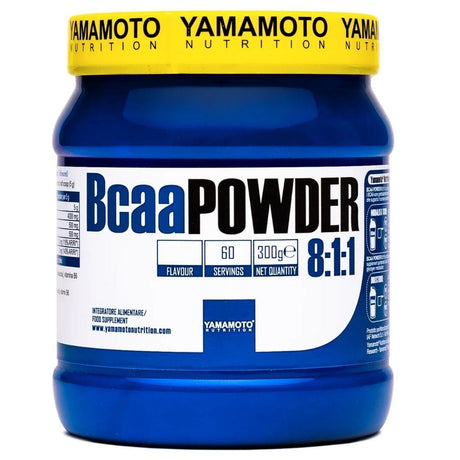
YAMAMOTO Nutrition
Yamamoto BCAA 8:1:1, Sazarotās aminoskābes, Apelsīnu-citrona garša - 300 g
Parastā cena €32.99Vienības cena€109.97 /kg


Galvenais secinājums: BCAA — leicīns, valīns, un izoleicīns — ir vieni no visvairāk pārbaudītajiem un plaši izmantotajiem uztura bagātinātājiem sporta uzturā. Tie aizsargā muskuļu audus no sabrukuma, stimulē jaunu muskuļu augšanu, samazina nogurumu, un paātrina r Ecover y. Neatkarīgi no tā, vai jūs palielināt muskuļu masu, samazināt ķermeņa tauku daudzumu vai vienkārši trenējaties, lai saglabātu fizisko formu, pareizi dozēts BCAA uztura bagātinātājs var būt vērtīgs sabiedrotais jūsu snieguma mērķu sasniegšanā.
Šim rakstam ir tikai informatīvs raksturs, un tas neaizstāj ārsta konsultāciju. Ja jums ir veselības problēmas, esat grūtniece, barojat bērnu ar krūti vai lietojat zāles, konsultējieties ar ārstu vai farmaceitu. Uztura bagātinātāji neaizstāj daudzveidīgu uzturu.


