

Nepatīkama smarža mājās var ievērojami samazināt visiem telpā esošo cilvēku komfortu. Kanalizācijas problēmas, drēbes, kas pārāk ilgi glabātas skapja aizmugurē, vai mājdzīvnieku „negadījumi“ ir bieži iemesli, kāpēc mēs ķeramies pie smaržu neitralizētāja. Atšķirībā no vienkāršiem gaisa atsvaidzinātājiem, kas vienkārši maskē nevēlamās smakas ar spēcīgāku aromātu, efektīvi smaku neitralizatori faktiski sadala vai aizstāj molekulas, kas rada nepatīkamo smaku — atstājot aiz sevis patiesi patīkamu aromātu. Tātad, kad būtu jāapsver tā izmantošana, un par kādām dabīgām alternatīvām ir vērts uzzināt?
Kā darbojas smaržu neitralizatori?
Standarta gaisa atsvaidzinātāji darbojas pēc vienkārša principa: pārspēt nepatīkamo smaržu ar spēcīgāku. Smaržu neitralizatori izmanto atšķirīgu pieeju. To aktīvās vielas — bieži koncentrēti augu ekstrakti vai ēteriskās eļļas — mijiedarbojas tieši ar smaržu izraisošajām molekulām, vai nu saistoties ar tām, vai pilnībā tās aizstājot. Tāpēc labs neitralizators darbojas ievērojami ilgāk nekā parasts aerosols; tas novērš cēloni, nevis to noslēpj.
Daudzi komerciālie neitralizatori ir veidoti uz spēcīgu ēterisko eļļu maisījumu bāzes — citrusaugļi, eikalipts, tējas koks, un priede ir vieni no visefektīvākajiem līdzekļiem, lai likvidētu spēcīgas smakas. Šie dabīgi iegūtie savienojumi jau gadsimtiem tiek izmantoti telpu gaisa attīrīšanai, un mūsdienu formulācijas ir ievērojami uzlabojušas šo pieeju. Lai iegūtu dabisku pieeju mājas aromātam un gaisa kvalitātei, iepazīstieties ar mūsu aromterapijas kolekciju https://medpak.shop/collections/aromatherapy.
Izplatītākās smaku problēmas mājās — un kas palīdz
Mājdzīvnieku smakas: suņi, kaķi, un kaķu tualetes
Mājdzīvnieku īpašniekiem nākas saskarties ar gandrīz pastāvīgu izaicinājumu: slapja spalva, nelielas nelaimes gadījumi, un tualetes smakas laika gaitā var iesūkties mīkstajos mēbeļu apvalkos, paklājos, un pat sienās. Galvenā problēma, īpaši attiecībā uz urīna smaku, ir tā, ka standarta tīrīšanas līdzekļi bieži vien to pilnībā neitralizē — smarža atgriežas, kad virsma izžūst. Enzīmu tīrīšanas līdzekļi ar to tiek galā efektīvāk, bet attiecībā uz vispārējām mājdzīvnieku smaržām, ēterisko eļļu, piemēram, eikalipta, ciedra, vai citrona, izkliedēšana rada pastāvīgi svaigu vidi, nekairinot mājdzīvnieku jutīgos degunus (vienmēr pārbaudiet, vai konkrētā eļļa ir droša jūsu mājdzīvnieka sugai).
Attiecībā uz kaķu tualetes zonām, pulverveida neitralizatori, kas sajaukti ar kaķu smiltīm, ir praktiska izvēle, savukārt difūzija labi darbojas plašākā telpā.
Garderobes un tekstilizstrādājumu smakas
Ilgstoši uzglabātiem, tikko mazgātiem apģērbiem var izveidoties nepatīkama, pelējuma smarža — īpaši slikti vēdināmās garderobēs. Dabīgi smaržu maisiņi ar žāvētu lavandu, ciedra bloki, vai pāris pilieni ēteriskās eļļas uz vates diska, kas novietots skapī, ir vieni no visefektīvākajiem un drošākajiem risinājumiem, jo tie novērš jebkādu ķīmisko saskari ar apģērbu. Lavanda ir klasisks risinājums šim nolūkam, un tai ir papildu priekšrocība — tā atbaida kodes.
Smakas virtuvē un notekcaurulēs
Mazas pārtikas daļiņas, kas uzkrājas izlietnes notekcaurulēs, ir pārsteidzoši izplatīts pastāvīgu nepatīkamu smaku avots. Gēla vai šķidrā veidā pieejamajiem neitralizatoriem, kas paredzēti cauruļvadu tīrīšanai, parasti nepieciešams 15 līdz 30 minūšu saskares laiks pirms noskalošanas — smagos gadījumos, ilgāk. Atsevišķi, virtuvē gaisā palikušās gatavošanas smakas labi reaģē uz tūlītēju ventilāciju, apvienojot to ar citrusu vai piparmētru ēterisko eļļu izkliedēšanu, kuras, kā zināms, efektīvi neitralizē ar taukiem saistītas smakas.
Apavu smakas
Apavi nepārtraukti uzsūc sviedrus, un slēgtā skapī, kurā atrodas vairāki pāri, kopējais efekts var būt diezgan jūtams. Pulverveida neitralizatori, kas novietoti apavu iekšpusē vai blakus, vienlaikus absorbē mitrumu un smaku. Cedra koka ieliktņi vai dažas tējas koka vai piparmētru eļļas pilieni uz auduma, kas novietots pie apaviem, piedāvā dabisku alternatīvu, kurai piemīt arī vieglas antibakteriālas īpašības.
Tabakas dūmi
Cigarešu dūmu smarža ir viena no grūtāk neitralizējamajām, jo savienojumi iekļūst porainās virsmās — mēbeļu apdarē, aizkariem, sienām. Neitralizatori aerosola veidā nodrošina ātru virsmas atsvaidzināšanu, bet ilgtermiņa uzlabojumiem, regulāra eikalipta, priežu, vai citrusu eļļu difūzija palīdz saglabāt gaisa svaigumu starp padziļinātām tīrīšanām.
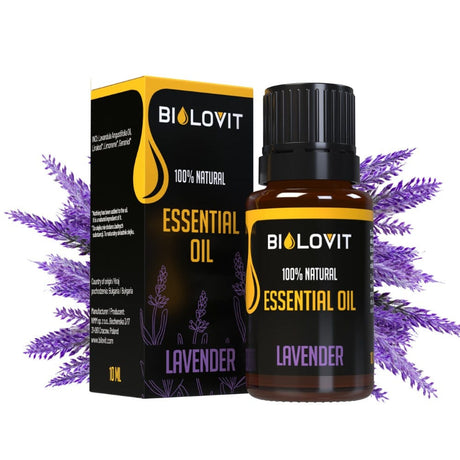


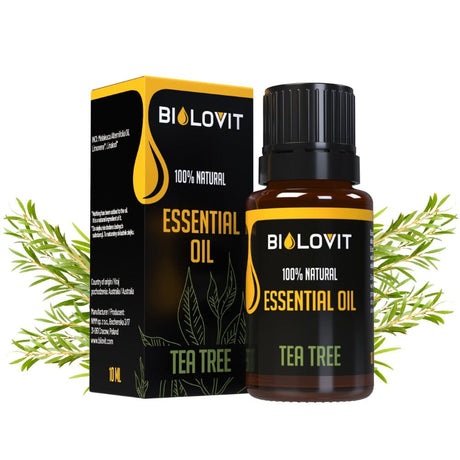


Dabas alternatīvas: Ēteriskās eļļas, smaržas, un sveces
. Tiem, kuri vēlas izvairīties no sintētiskiem ķīmiskajiem gaisa atsvaidzinātājiem,, dabiskās alternatīvas ir ievērojami attīstījušās. Ēterisko eļļu difūzeri ir vieni no daudzpusīgākajiem pieejamajiem rīkiem: tie nepārtraukti izkliedē gaisā augu izcelsmes eļļu mikropiliņas, neitralizējot nevēlamas smakas un vienlaikus radot pastāvīgu, jūsu izvēlētu telpas aromātu. Pieejamo eļļu klāsts ļauj pielāgot aromātu telpai un gadalaikam — citrusaugļi un piparmētra virtuvēm, lavanda vai ciedra guļamistabām.
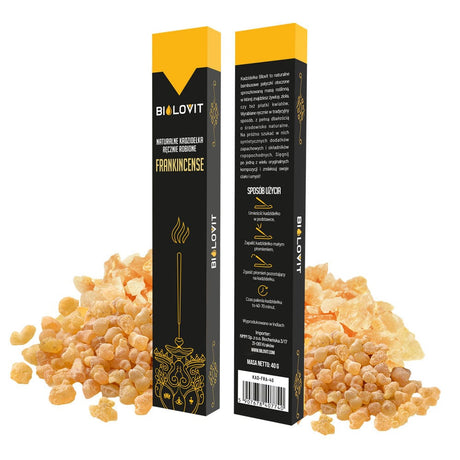
Smaržu nūjiņas, kas izgatavotas no dabīgām sveķēm un augu materiāliem, piedāvā tradicionālāku pieeju gaisa attīrīšanai. Tējas koks, sandalkoks, un baltais salvija jau sen tiek izmantoti šajā nolūkā un rada raksturīgu, nomierinošu aromātu. Tie īpaši labi darbojas dzīvojamās telpās, kurās vēlaties radīt atmosfēru un svaigumu. Izpētiet mūsu dabīgo smaržu nūjiņu klāstu, lai atrastu dažādus aromātu profilus.
Dabīgās sojas sveces, kas aromatizētas ar ēteriskajām eļļām, ir vēl viena iespēja, kas apvieno maigu telpas aromātu ar sveču gaismas vizuālo siltumu. Atšķirībā no parafīna svecēm, sojas sveces deg tīrāk un izplata aromātu vienmērīgāk visā telpā.

 25% atlaide
Bilovit
Bilovit Dabiskās aromātiskās smaržīgās vīraka kociņu nūjiņas Frankincense - 40 g
Izpārdošanas cena €2.76 Parastā cena €3.69Vienības cena€0.69 /10g


Pareizā smaržu neitralizatora veida izvēle
Pulverveida neitralizatori ir piemēroti virsmām un slēgtām telpām — kaķu tualetēm, apavu skapjiem, un mazām slēgtām telpām. Tos ir viegli lietot, un parasti tie darbojas, absorbējot gan mitrumu, gan smaku izraisošos savienojumus.
Šķidrā un gēla formāta neitralizatori ir piemērotāki notekūdeņu problēmām un cietām virsmām. Tie ļauj aktīvajiem savienojumiem pārklāt skarto zonu un palikt saskarē pietiekami ilgi Enough, lai būtu efektīvi. Daži šķidrie formāti darbojas arī kā telpu aerosoli.
Aerosola neitralizatori nodrošina visātrāko rezultātu un ir ideāli piemēroti pirms viesu ierašanās vai ātrai atsvaidzināšanai pēc ēdiena gatavošanas vai smēķēšanas. To galvenais ierobežojums ir ilgums — efekts parasti ir īsāks nekā difūzeram, kas darbojas nepārtraukti. Lai iegūtu ilgtermiņa dabisku risinājumu, praktiska kombinācija ir smaržas tūlītējai iedarbībai kopā ar difūzeru ilgstošai svaigumam. Pārlūkojiet mūsu pilno ēterisko eļļu klāstu, lai atrastu smaržas, kas vislabāk der jūsu mājās.
Šim rakstam ir tikai informatīvs raksturs, un tas neaizstāj ārsta konsultāciju. Ja jums ir veselības problēmas, esat grūtniece, barojat bērnu ar krūti vai lietojat zāles, konsultējieties ar ārstu vai farmaceitu. Uztura bagātinātāji neaizstāj daudzveidīgu uzturu.


