

Zobu tīrīšana ir viena no visrutīnākajām ikdienas darbībām — tā ir tik automātiska, ka, visticamāk, vismaz divas reizes dienā paņem zobu birsti, pat par to nedomājot. Laba zobu suka, protams, ir svarīga, bet tā ir tikai puse no vienādojuma. Tāpat svarīga ir arī zobu pasta, ko izmantojat, un pareizās izvēle var būtiski ietekmēt jūsu zobu, smaganu un visas mutes veselību.
Kāpēc zobu pasta ir svarīgāka, nekā jūs domājat
Tehniski, jūs varētu tīrīt zobus tikai ar ūdeni un zobu birsti. Bet process aizņemtu ievērojami ilgāku laiku un joprojām nesniegtu tos pašus rezultātus. Zobu pasta ir radīta, lai tīrīšana būtu ātrāka, rūpīgāka un efektīvāka. Ir patiesa taisnība teicienā, ka visa ķermeņa veselība sākas mutē — baktērijas, kas uzkrājas mutes dobumā, var viegli izplatīties uz deguna blakusdobumiem, rīkli un gremošanas sistēmu, ja tās netiek kontrolētas.
Ir vilinoši paņemt jebkuru zobu pastu, kas ir pārdošanā, un pieņemt, ka tā darbosies. Dažiem cilvēkiem, standarta universālā formula darbojas lieliski. Bet zobi un smaganas nav visiem vienādi. Daži cilvēki cīnās ar jutīgumu, citi ar pārmērīgu zobakmens uzkrāšanos, un daudzi cīnās ar kariess, neskatoties uz regulāru zobu tīrīšanu. Jo labāk zobu pasta atbilst jūsu konkrētajām vajadzībām, jo efektīvāk tā var aizsargāt jūsu mutes veselību.
Kā zobu pasta faktiski darbojas?
Lielākajai daļai zobu pastu ir kopīgs funkcionālo sastāvdaļu kopums, katrai no tām pildot atšķirīgu uzdevumu tīrīšanas procesā:
- Abrazīvie un pulējošie līdzekļi — piemēram, alumīnija sāļi, silīcija dioksīds, vai kalcija karbonāts — ar maigu mehānisku iedarbību fiziski noņem zobu emaljas virsmas aplikumu un virsmas traipus.
- Putojošas vielas — parasti betaina vai nātrija savienojumi — rada putas, kurām ir ne tikai vizuāla nozīme. Putas mīkstina nogulsnes un nogādā zobu pastu starp zobiem un gar smaganu līniju, kur zobu sari vieni paši ne vienmēr var sasniegt.
- Aktīvās sastāvdaļas — atkarībā no sastāva, tās var ietvert pretmikrobu, pretsēnīšu, antiseptiskus, vai remineralizējošus savienojumus, kas paredzēti konkrētu zobu problēmu risināšanai.
- Aromatizētāji un atsvaidzinošie līdzekļi — parasti uz piparmētru bāzes — nodrošina patīkamu garšu un palīdz neitralizēt nepatīkamo elpu.
Zobu pastu veidi un to iedarbība
Pieejamo zobu pastu veidu daudzveidība Toda nozīmē, ka patiešām ikviens var atrast sev piemērotu produktu. Šeit ir pārskats par visbiežāk sastopamajām kategorijām un to, kādiem mērķiem tās ir paredzētas:
Balinošā zobu pasta
Balinošās formulas satur smalkas abrazīvās daļiņas, kas palīdz noņemt virsmas traipus un krāsas izmaiņas no emaljas, pakāpeniski atjaunojot gaišāku un dabiskāk izskatošu smaidu. Tās darbojas, maigi mehāniski pulējot, nevis ķīmiski balinot, tādējādi padarot tās piemērotas regulārai ikdienas lietošanai.
Zobu pastas pret zobakmeni
Zobakmens būtībā ir sacietējis zobu aplikums — baktēriju slānis, kas pielīp pie zobu virsmas un, kad tas ir mineralizējies, to pilnībā var noņemt tikai zobārsts. Zobu pastas pret zobakmeni satur TiB antibakteriālas vielas, kas palīdz palēnināt aplikuma veidošanos, pirms tas sacietē, padarot profesionālo tīrīšanu efektīvāku laika gaitā.
Zobu pastas pret kariesu
Šīs formulas ir vērstas uz emaljas stiprināšanu un cīņu pret baktērijām, kas izraisa zobu bojāšanos. Tās ir lieliska izvēle ikvienam, kam ir tendence uz kariesu, palīdzot gan novērst jaunu kariesa veidošanos, gan aizsargāt jau ārstētos zobus.
Zobu pasta jutīgiem zobiem
Ja karsta kafija vai auksts ūdens izraisa asu sāpju lēkmi, iespējams, jums ir atklāti dentīna kanāliņi — sīki kanāliņi zobā, kas, kad ir atvērti, pārraida sajūtas tieši uz nervu. Zobu pastas jutīgiem zobiem satur sastāvdaļas, kas laika gaitā noslēdz šos kanāliņus, pakāpeniski mazinot diskomfortu.
Zobu pasta jutīgām smaganām
Smaganu jutīgums ir atsevišķa problēma no zobu jutīguma. Šīs formulas parasti satur nomierinošus enzīmus un maigas antibakteriālas vielas, kas palīdz nomierināt iekaisušos smaganu audus, vienlaikus nodrošinot rūpīgu tīrīšanu.
Zobu pasta bez fluora
Fluors jau sen ir standarta sastāvdaļa mutes dobuma kopšanas līdzekļos, taču arvien vairāk patērētāju dod priekšroku alternatīvām bez fluora. Šie produkti izmanto citas aktīvās sastāvdaļas — piemēram, hidroksilapatītu, ksilitolu, vai augu ekstraktus —, lai aizsargātu emalju un veicinātu mutes veselību. Fluorīda nesaturošas formulas ir populāra izvēle arī bērniem, jo mazie bērni mēdz norīt zobu pastu zobu tīrīšanas laikā. Pārlūkojiet pilnu zobu pastu klāstu Medpak, lai atrastu gan fluora saturošas, gan bezfluora iespējas.
Remineralizējoša zobu pasta
Ikdienas zobu tīrīšana un ēšana rada mikroskopiskus skrāpējumus un nodilumu uz jūsu emaljas — tie nav redzami ar neapbruņotu aci, bet laika gaitā kļūst nozīmīgi. Remineralizējošās zobu pastas satur savienojumus, kas līdzīgi tiem, kuri dabīgi atrodami emaljā (, piemēram, hidroksilapatītu vai kalcija fosfātu), kas palīdz atjaunot šos mikrobojājumus un nostiprināt zobu virsmu.
Bērnu zobu pasta
Zobu pastas maziem bērniem parasti nesatur fluoru un to sastāvā ir maigākas sastāvdaļas, lai tās būtu drošas, ja tiek norītas. Tās bieži vien ir ar augļu garšu, lai zobu tīrīšana mazajiem būtu patīkamāka.


Ben&Anna
Ben&Anna balinoša zobu pasta jutīgiem zobiem Salvija un smiltsērkšķi - 100 ml
Parastā cena €10.49Vienības cena€10.49 /100ml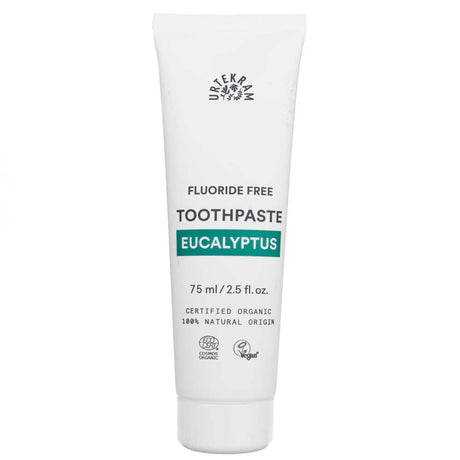


Urtekram
Urtekram Zobu pasta bez fluorīda Eikalipts - 75 ml
Parastā cena €5.49Vienības cena€7.32 /100ml
Georganics
Georganics Minerālu zobu pasta ar aktivēto kokogli - 120 ml
Parastā cena €10.69Vienības cena€8.91 /100ml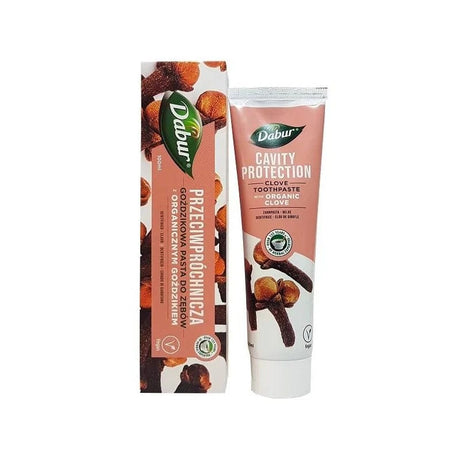


Dabīgā un zāļu zobu pasta — pieaugoša tendence
Visā Eiropā, arvien vairāk patērētāju izvēlas dabīgās un zāļu zobu pastas, kurās augu izcelsmes sastāvdaļas ir svarīgākas par sintētiskajām ķimikālijām. Zīmoli, piemēram, Himalaya, Dabur, Urtekram, Apeiron, Ben&Anna, un Georganics piedāvā sastāvus, kas veidoti uz tradicionālu augu izcelsmes sastāvdaļu bāzes — sākot no krustnagliņām un neem līdz alvejai un aktivētajai oglei — katra izvēlēta tās dabisko attīrošo un nomierinošo īpašību dēļ.
Dabīgās zobu pastas bieži ir bez fluora, bez SLS, un ražotas bez mākslīgām krāsvielām vai konservantiem. Tiem, kas dod priekšroku holistiskākai pieejai mutes dobuma kopšanai, šie produkti var būt pārliecinoša alternatīva tradicionālajām iespējām. Jo īpaši oglekļa bāzes formulas, ir ieguvušas popularitāti pateicoties to balinošajai un dziļi attīrošajai iedarbībai.
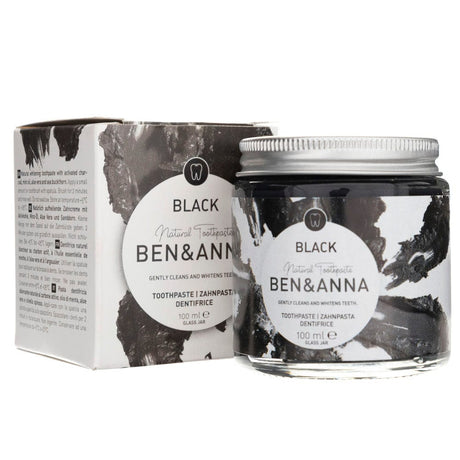


Ben&Anna
Ben&Anna balinoša zobu pasta ar aktivēto kokogli - 100 ml
Parastā cena €8.99Vienības cena€8.99 /100ml


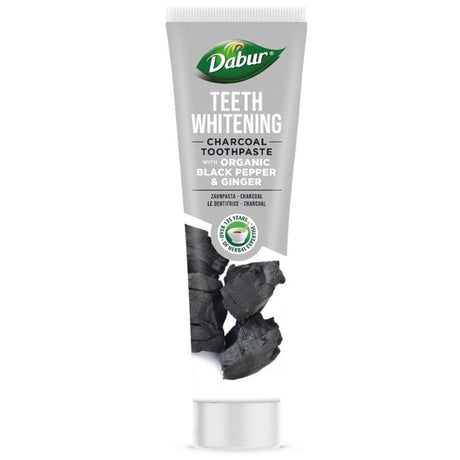

Dabur
Dabur Balinoša zobu pasta ar aktīvo kokogli - 100 ml
Parastā cena €4.49Vienības cena€4.49 /100ml


Urtekram
Urtekram Zobu pasta ar piparmētru un alveju - 75 ml
Parastā cena €4.89Vienības cena€6.52 /100ml


Kā izvēlēties sev piemērotāko zobu pastu
Tā kā pieejamo iespēju ir tik daudz, vislabāk ir vienkārši sākt ar savām vajadzībām. Pajautājiet sev, kas ir jūsu galvenā problēma: jutīgums, kariess, smaganu iekaisums, balināšana, vai varbūt priekšroka dabīgām sastāvdaļām? Kad būsiet noteikuši savu prioritāti, atrast pareizo produktu kļūs daudz vieglāk. Ja neesat pārliecināti, kura zobu pasta jums vislabāk der, konsultējieties ar savu zobārstu. Zobārsts var novērtēt jūsu zobu un smaganu pašreizējo stāvokli un ieteikt tādu sastāvu, kas sniegs jums vislielāko labumu. Tas ir īpaši vērtīgi, ja jums ir ilgstošas problēmas, piemēram, atkāpušās smaganas, hroniska jutība, vai bieži kariesu gadījumi.
Lai izvēlētos no plaša klāsta — sākot no balinošajām un augu izcelsmes zobu pastām līdz bērnu zobu pastām un alternatīvām bez fluora — izpētiet pilnu mutes dobuma kopšanas sadaļu Medpak. Visi produkti tiek sūtīti no ES ar ātru piegādi un bez muitas nodokļiem Eiropas klientiem.
Galvenais secinājums: Pareizā zobu pasta dara daudz vairāk nekā tikai atsvaidzina elpu — tā aktīvi aizsargā zobu emalju, atbalsta smaganas un palīdz novērst izplatītākās zobu problēmas. Izvēlieties zobu pastu atbilstoši savām vajadzībām, tīriet zobus vismaz divas minūtes divas reizes dienā, un nekautrējieties lūgt savam zobārstam individuālu konsultāciju.
Šim rakstam ir tikai informatīvs raksturs, un tas neaizstāj ārsta konsultāciju. Ja jums ir veselības problēmas, esat grūtniece, barojat bērnu ar krūti vai lietojat zāles, konsultējieties ar ārstu vai farmaceitu. Uztura bagātinātāji neaizstāj daudzveidīgu uzturu.


