

Nav nekas neparasts, ka divus vai trīs gadus vecs bērns joprojām dzer no pudelītes — taču attīstības speciālisti ir vienisprātis, ka mācīties dzert no krūzes vajadzētu sākt daudz agrāk —, ideāli apmēram 6 mēnešu vecumā —, kad sāk ieviest cietu barību. Pāreja nav vienkārši viena trauka aizstāšana ar citu. Tā veicina veselīgu zobu attīstību, žokļu izvietojumu, runas veidu, un elpošanas ieradumus tādā veidā, kā to nevar nodrošināt pudeles un krūzes ar mīkstiem uzgaļiem. Pareizā laika izvēle un piemērotas krūzes izvēle rada būtisku atšķirību — šeit ir viss, kas vecākiem jāzina.
Kāpēc ir svarīgi iemācīties dzert no krūzes
Kad mazulis dzer no atvērtas vai daļēji atvērtas krūzes, mēle, lūpas, un žoklis darbojas kopā tādā veidā, kas cieši atspoguļo dabisko rīšanas mehāniku. Tas veicina pareizu aukslējuma, sakodiena, un runas aparāta attīstību. Turpretim, ilgstoša pudeles vai mīksta uzgalīša krūzes lietošana notur bērnu sūkšanas ritmā, kas, laika gaitā, var veicināt atvērtu sakodi, mēles izspiešanu, un aizkavētu runas skaidrību.
Ir arī zobu higiēnas aspekts. Kad bērns dzer saldus šķidrumus — pienu, sulu vai maisījumu — no pudeles vai krūzes ar mīkstu uzgali, zobi ilgstoši atrodas cukuru saturošā šķidrumā. Dzeršana no krūzes nodrošina īsāku šķidruma uzsūkšanos un samazina ilgstošo kontaktu ar emalju. Šī iemesla dēļ bērnu zobārsti vienmēr iesaka atteikties no pudelēm 12–18 mēnešu vecumā. Agrīna prakses uzsākšana padara šo pāreju daudz mazāk traucējošu gan bērnam, gan vecākiem.
Kad sākt
Praktiskie gatavības rādītāji ir spēja patstāvīgi sēdēt un pieņemt ēdienu no karotes — abi šie rādītāji parasti parādās 4–6 mēnešu vecumā. Oficiāli krūzi parasti ieteicams ieviest apmēram 6 mēnešu vecumā, kas sakrīt ar papildu barošanas sākumu. Tomēr, agrīnie mēģinājumi ir apmācības iespējas, nevis funkcionālas dzeršanas sesijas. Daži malki ar daudz izlīšanu un pārsteigumu sākumā ir pilnīgi normāli — mērķis ir pierast, nevis apjoms.
Mācību krūzīšu veidi: ko dara katrs formāts
Zīdaiņu krūzīšu tirgus var būt pārāk plašs. Saprotot, ko katrs formāts faktiski māca — un kādā vecumā — izvēle kļūst daudz vienkāršāka.
Mīksto uzgaļu krūzītes (, kas neizlīst, ar mīkstu pupiņu), ir vismaigākā pāreja no pudeles, un piemērotas apmēram no 4–6 mēnešu vecuma. Tām nepieciešama tāda pati sūkšanas kustība kā pudelei, kas nozīmē, ka tās ir vieglāk lietot mazākiem bērniem, bet arī aizkavē īstas krūzes dzeršanas mehānikas attīstību. Izmantojiet tos kā pirmo soli, nevis kā ilgtermiņa risinājumu.
Cietā uzgalīša krūzītes prasa atšķirīgu mutes pozīciju — lūpas apņem cietāku virsmu — un ir piemērotākas apmēram no 7–9 mēnešu vecuma. Tās ir solis tuvāk īstai dzeršanai no krūzes, bet joprojām ietver sūkšanu, nevis krūzes pagriešanu.
360 grādu krūzes ļauj šķidrumam plūst no jebkuras vietas ap malu, kad bērns viegli piespiež lūpas, imitējot dzeršanu no atvērtas krūzes bez netīrumiem. Tās ir lielisks starpposms apmēram no 9–12 mēnešu vecuma, lai apmācītu lūpu un mēles kustības, kas ir vistuvāk faktiskai krūzes lietošanai.
Kausiņi ar salmiņu ir praktiska izvēle apmēram no 9 mēnešu vecuma, ja bērns salmiņu lieto pareizi — lūpas cieši apņem salmiņu, kas atrodas mutes centrā, starp lūpām un zobiem, nesaskaroties ar mēli. Salmiņi veicina mēles atrašanos pareizā zemā pozīcijā un, ja tiek lietoti pareizi, negatīvi neietekmē sakodiena attīstību.
Noliektie / leņķveida krūzītes ir attīstības ziņā visprogresīvākais risinājums — krūzītes leņķis ļauj mazulim dzert, nepakļaujot galvu atpakaļ, kas atspoguļo to, kā pieaugušais dzer no atvērtas glāzes. Tām nepieciešama lielāka vecāku iesaistīšanās un uzraudzība (bez aizsardzības pret izliešanu), taču tās nodrošina labākos attīstības rezultātus. Piemēroti lietošanai uzraudzībā jau no 3–4 mēnešu vecuma, lai gan pilnībā patstāvīgai lietošanai nepieciešams ievērojami ilgāks laiks.
Kas veido labu mācību krūzi
Papildus tipam, ir daži praktiski kritēriji, kas atšķir labi izstrādātu mācību krūzi no sliktas:
- Viegla un bez BPA — krūzītei jābūt viegli pārvaldāmai mazām rociņām; plastmasa ir piemērots materiāls, nevis stikls vai keramika
- Ergonomisks rokturis — rokturi, padziļinājumi, vai forma, kas piemērota mazām rokām, samazina neapmierinātību un uzlabo kontroli
- Viegli un rūpīgi tīrāms — krūzes ar sarežģītiem vārstu mehānismiem un daudzām mazām detaļām ir grūti pilnībā dezinficēt; vienkāršāks ir labāks
- Vecumam atbilstoša plūsmas kontrole — šķidrumam jāplūst lēni Enough, lai novērstu aizrīšanos, bet ne tik lēni, lai tas neizraisītu bērna neapmierinātību
- Atbilstošs tilpums — 125–200 ml ir pietiekami mazākiem bērniem; 200–300 ml ir piemēroti vecākiem mazuļiem
Mācību krūzes 4–9 mēnešiem: pirmie soļi
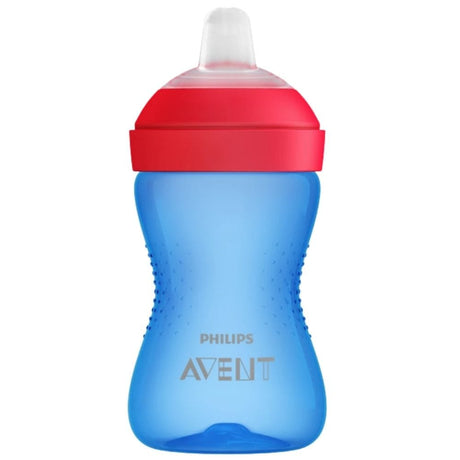
Zīdaiņiem, kuri tikko sāk iepazīt krūzes lietošanu, mīksta uzgalīša krūze vai maza mācību krūze ar maigu plūsmas regulēšanu nodrošina vieglāko pirmo pieredzi. Mācību krūzīte Philips Avent Natural Response ir īpaši izstrādāta, lai iepazīstinātu bērnu ar krūzīti agrīnā vecumā, savukārt krūzīte ar mutiņu Twistshake piedāvā iebūvētu maisītāju, kas noder piena maisījuma pagatavošanai:


Krūzītes 9–12 mēnešiem un vecākiem bērniem: Īstu krūzes lietošanas prasmju attīstīšana
No aptuveni 9 mēnešu vecuma, krūzes ar cietiem uzgaļiem vai salmiņu mehānismiem palīdz bērniem pāriet uz pieaugušākiem dzeršanas paradumiem. Philips Avent krūzes ar salmiņu ir aprīkotas ar vārstiem, kas regulē plūsmu, lai novērstu aizrīšanos, vienlaikus attīstot sūkšanas koordināciju, kas nepieciešama salmiņa lietošanai. Šajā posmā krūzes ar uzgali sagatavo pāreju uz pilnībā atvērtām traukiem:




Praktisks grafiks pārejai uz krūzi
Katrs bērns attīstās savā tempā, bet kā vispārīgs orientieris: apmēram no 6 mēnešu vecuma ieviesiet krūzi ar mīkstu uzgali vai mācību krūzi, ļaujot bērnam dzert mazos malkiem uzraudzībā; no 9 mēnešu vecuma pārejiet uz krūzi ar cietāku uzgali vai salmiņu; mēģiniet līdz 12 mēnešu vecumam pilnībā aizstāt pudeles ar krūzēm visiem dzērieniem, izņemot nakts barošanu; un līdz 18 mēnešu vecumam pilnībā atteikties no pudelēm. Bērniem, kuri 18–24 mēnešu vecumā joprojām galvenokārt dzer no pudelītes, ir grūtāk atbrīvoties no ieraduma — agrīna sākšana to novērš.
Lai apskatītu pilnu zīdaiņu krūzīšu, pudelīšu, un barošanas piederumu, klāstu, apmeklējiet mūsu Krūzīšu kolekcija un plašāka Bērnu barošanas kategorija.
Šim rakstam ir tikai informatīvs raksturs, un tas neaizstāj ārsta konsultāciju. Ja jums ir veselības problēmas, esat grūtniece, barojat bērnu ar krūti vai lietojat zāles, konsultējieties ar ārstu vai farmaceitu. Uztura bagātinātāji neaizstāj daudzveidīgu uzturu.


