

Kuņģa problēmas var rasties jebkurā brīdī — tās ir nepatīkamas, traucējošas un ārkārtīgi izplatītas, skarot miljoniem cilvēku visā pasaulē. Starp tām, kuņģa hiperaciditāte izceļas kā viena no visbiežāk sastopamajām gremošanas sūdzībām: sāpīga, ilgstoša, un potenciāli nopietna, ja netiek ārstēta. Labā ziņa ir tā, ka simptomus var ievērojami mazināt, izmantojot dabiskas metodes un mērķtiecīgu uztura bagātinātāju lietošanu. Kā efektīvi risināt šo problēmu?
Kas ir kuņģa hiperaciditāte?
Hiperaciditāte — ko dēvē arī par kuņģa hiperaciditāti vai pārmērīgu kuņģa skābes daudzumu — ir disfunkcija, ko raksturo sālsskābes pārmērīga ražošana kuņģa epitēlija šūnās. Kuņģa sulai ir nepieciešamība: tā sadala pārtikas molekulas, atvieglo uzturvielu uzsūkšanos, un palīdz neitralizēt patogēnos mikroorganismus, kas nonāk organismā ar pārtiku. Tās skābais pH līmenis ir fizioloģiski piemērots kuņģa gļotādai — bet kaitīgs apkārtējiem audiem, ja līdzsvars tiek traucēts.
Kuņģa skābes sekrēciju parasti regulē nervu sistēma un divi galvenie hormoni: gastrīns (, kas stimulē ražošanu), un somatostatīns (, kas to inhibē). Kad šis regulējošais mehānisms tiek traucēts un sekrēcija pārsniedz normālos rādītājus, liekā skābe sāk darboties pret organismu, nevis tā labā.
Kuņģa hiperaciditātes cēloņi
Hiperaciditāte var rasties daudzu dažādu faktoru ietekmē. Daudzos gadījumos, tā ir hroniska stresa, nelīdzsvarota uztura, neregulāra dzīvesveida, vai ilgstošas zāļu lietošanas sekas — bieži vainīgie ir aspirīns un kortikosteroīdi. Citos gadījumos, tā ir kāda pamatslimības simptoms:
- Gastrīts — iekaisums, kas rodas no kuņģa iekšējās gļotādas bojājumiem
- Zollingera-Elisona sindroms — audzēji aizkuņģa dziedzerī vai tievajā zarnā, kas hroniski aktivizē gastrīnu
- Adisona-Bīrmera slimība — perniciozā anēmija, ko izraisa B12 vitamīna deficīts
- Kuņģa izvadkanāla obstrukcija — kuņģa izvadkanāla obstrukcija
- Helicobacter pylori infekcija — bakteriāla infekcija, kas izraisa hronisku kuņģa gļotādas iekaisumu
Precīza cēloņa noteikšana ne vienmēr ir vienkārša — dažos gadījumos, cēlonis paliek idiopātisks (nezināms vai neskaidrs), pat pēc rūpīgas medicīniskās izmeklēšanas. Šī iemesla dēļ, pastāvīgiem vai pasliktinošiem simptomiem vienmēr jānovērtē veselības aprūpes speciālists.
Simptomu atpazīšana
Visraksturīgākais hiperaciditātes simptoms ir sāpes augšējā vēdera daļā, kas parasti parādās dažas stundas pēc ēšanas. Citi bieži sastopami simptomi ir:
- diskomforts vēderā un vēdera uzpūšanās
- slikta dūša
- neizskaidrojams svara zudums
- dedzinošas sāpes aiz krūšu kaula (, ko izraisa skābes kairinājums barības vada gļotādā)
- pastāvīga sāta sajūta kuņģī
- uzbudināmība
- sajūta, ka barības vads ir bloķēts vai sašaurināts
Komplikāciju rada fakts, ka hiperaciditātibieži tiek sajaukta ar cieši saistītām slimībām — dedzināšanu aiz krūškurvja un gastroezofageālo refluksa slimību —, jo tām ir daļēji pārklājošies simptomi. Neārstēta, liekā kuņģa skābe var progresēt līdz ezofagitam, peptiskai čūlas slimībai, un, smagos gadījumos, kuņģa-zarnu trakta asiņošanai. Svarīga ir savlaicīga rīcība.
Uztura korekcijas: pirmā palīdzības līnija
Uzturs ir vispieejamākais līdzeklis hiperaciditātes ārstēšanai. Mērķis ir samazināt izdalītās kuņģa sulas daudzumu, kas nozīmē, ka jāizvēlas bāzes veidojoši pārtikas produkti, nevis skābes veidojoši. Pārtikas produkti, kas atbalsta šo pieeju, ietver liesu gaļu, dārzeņus (īpaši fermentētus), zema tauku satura piena produktus, olas, zivis, un augļus mērenos daudzumos.
Pārtikas produkti, kurus ierobežot vai izvairīties: pikanti un stipri sālīti ēdieni, pārmērīgs dzīvnieku tauku daudzums, rieksti, pākšaugi, kofeīns, saldumi, alkohols, un gāzētie dzērieni. Ēšanas veids ir tikpat svarīgs kā tas, ko jūs ēdat — mazākas, biežākas, regulāras maltītes ir vēlamākas nekā lielas neregulāras maltītes. Vislabāk ir izvairīties no lielu ogļhidrātu daudzumu apvienošanas ar olbaltumvielām un taukiem vienā maltītē. Košļājamā gumija un cietie saldumi arī būtu jāizvairās, jo košļāšana stimulē skābes izdalīšanos pat bez ēdiena uzņemšanas.
Dabas līdzekļi un augu izcelsmes atbalsts
Papildus uztura izmaiņām, vairākas dabiskas metodes var nozīmīgi mazināt hiperaciditātes simptomus. Pietiekama daudzuma negāzēta ūdens dzeršana visas dienas garumā atšķaida kuņģa sulu — tas ir vienkāršs, bet efektīvs īstermiņa pasākums. Linu sēklu gļotas, ko iegūst, 15 minūtes vārot vienu ēdamkaroti linu sēklu glāzē ūdens un divreiz dienā lietojot izsūktu šķidrumu, pārklāj gremošanas trakta gļotādu un nomierina kairinājumu un iekaisumu. Regulāras, mērenas fiziskās aktivitātes — 30 minūtes dienā — arī veicina gremošanas trakta kustīgumu un laika gaitā var redzami mazināt simptomus.
Augu valstī ir plaša, labi dokumentēta garšaugu izvēle ar pierādītām priekšrocībām kuņģim, no kuriem daudzi ir pieejami kā uztura bagātinātāji mūsu Garšaugu klāstā:
- Piparmētra (Mentha piperita) — spazmolītiska un lokāli anestēzējoša; nomierina gļotādas kairinājumu
- Ingvers (Zingiber officinale) — pretiekaisuma līdzeklis, mazina vēdera uzpūšanos, veicina gremošanas trakta kustīgumu
- Piena dadzis (Silybum marianum) — pretiekaisuma, mazina sāpes kuņģī, atbalsta gremošanas procesus
- Lakrica (Glycyrrhiza) — atbrīvo no spazmām un mazina iekaisumu gremošanas traktā
- Altejas sakne (Althaea officinalis) — aizsargā gļotādu, nomierina barības vada kairinājumu, uzlabo gremošanu
- Salvija (Salvia officinalis) — atbalsta gremošanas funkcijas, samazina spazmas, atvieglo ar iekaisumu saistītas sāpes vēderā
- Ķimenes un fenhelis — palielina gremošanas fermentu aktivitāti un palīdz mazināt vēdera uzpūšanos un gāzu uzkrāšanos
- Liellapu ceļmallapa (Plantago lanceolata) — cīnās pret gremošanas trakta iekaisumu, mīkstina gastrīta simptomus
Mērķtiecīgi uztura bagātinātāji kuņģa veselībai
Speciāli uztura bagātinātāji, kas paredzēti gremošanas atbalstam, bieži apvieno vairākus no iepriekš minētajiem aktīvajiem savienojumiem, kas darbojas ne tikai simptomu mazināšanai, bet arī zarnu mikrofloras vides uzlabošanai. Gremošanas fermentu preparāti atbalsta pārtikas sadalīšanos un var samazināt slogu uz kuņģi, savukārt alveja jau sen tiek izmantota, lai nomierinātu un aizsargātu gremošanas trakta gļotādu. Slidena vītola pulveris un cinka karnozīns ir vieni no klīniski vispiemērotākajiem risinājumiem cilvēkiem, kuri cīnās ar hronisku kuņģa kairinājumu.
Jūs varat iepazīties ar plašu gremošanas veselības produktu klāstu mūsu Gremošanas sistēma kategorijā, un augu izcelsmes līdzekļus Augi kolekcijā.


Now Foods
Now Foods Aloe Vera Gels 10000 mg - 100 mīkstās kapsulas
Parastā cena €10.89Vienības cena€0.11 par gabalu


Yango
Yango Lakricas ekstrakts 10: 1 - 60 kapsulas
Parastā cena €14.99Vienības cena€0.25 par gabalu
 10% atlaide
MyVita
MyVita Sudraba lakricas - 60 kapsulas
Izpārdošanas cena €9.35 Parastā cena €10.39Vienības cena€0.16 par gabalu


Lai nodrošinātu plašāku gremošanas atbalstu — ieskaitot fermentu aktivitāti, zarnu mikrofloras līdzsvaru, un vēdera uzpūšanās un diskomforta mazināšanu — šie produkti vispusīgāk iedarbojas uz gremošanas sistēmu. Vairāk informācijas meklējiet mūsu Detox & Cleanse kolekcijā.


Hepatica
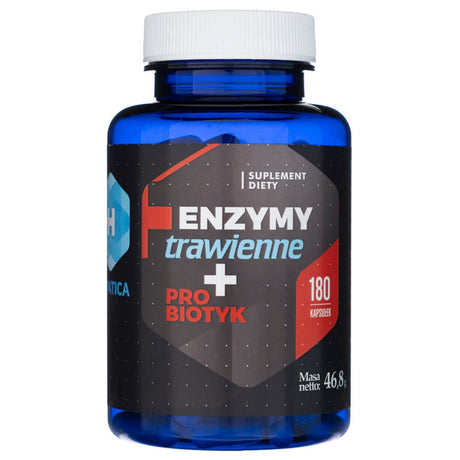
Hepatica Gremošanas enzīmi Probiotikas - 180 kapsulas
Parastā cena €10.39Vienības cena€0.06 par gabalu


Vitaler's
Vitaler's Gremošanas fermenti - 60 kapsulas
Parastā cena €9.09Vienības cena€0.15 par gabalu


Aliness
Aliness Enzīme Complex PRO - 90 kapsulas Veg
Parastā cena €11.99Vienības cena€0.13 par gabalu


Swanson
Swanson Anti-Gas Enzīms 40 mg - 90 augu kapsulas
Parastā cena €12.09Vienības cena€0.13 par gabalu
Doctor's Best
Doctor's Best Gremošanas enzīmi - 90 augu kapsulas
Parastā cena €38.39Vienības cena€0.43 par gabalu


Šim rakstam ir tikai informatīvs raksturs, un tas neaizstāj ārsta konsultāciju. Ja jums ir veselības problēmas, esat grūtniece, barojat bērnu ar krūti vai lietojat zāles, konsultējieties ar ārstu vai farmaceitu. Uztura bagātinātāji neaizstāj daudzveidīgu uzturu.


