

Menopauze ir dabisks pārejas posms, ko piedzīvo katra sieviete — taču simptomu klāsts un intensitāte katrai sievietei ir ļoti atšķirīga. Dažas sievietes to pārvar ar minimāliem traucējumiem; citas gadiem ilgi cīnās ar karstuma viļņiem, garastāvokļa svārstībām, miega traucējumiem, un locītavu sāpēm, kas ievērojami ietekmē ikdienas dzīvi. Sapratne par to, kas sagaidāms, un zināšanas par to, kādas dabiskas metodes var sniegt patiesu atvieglojumu, būtiski ietekmē to, kā tiek piedzīvots šis dzīves posms.
Kas ir menopauze un kāpēc tā notiek?
Menopauze — klīniski saukta par klimakteriju — iezīmē brīdi, kad olnīcas pakāpeniski pārtrauc ražot hormonus estrogēnu un progesteronu, un menstruācija apstājas uz visiem laikiem. Tas ir dabisks bioloģisks process, nevis slimība. Lielākā daļa sieviešu to piedzīvo vecumā no 45 līdz 55 gadiem, lai gan sākums var iestāties agrāk vai vēlāk atkarībā no ģenētikas, dzīvesveida un veselības vēstures. Pāreja parasti noris aptuveni 10 gadu laikā, sākot ar perimenopauzes fāzi — kuras laikā sāk parādīties simptomi — un turpinoties līdz menstruāciju pārtraukšanai un pēc tās.
Faktori, kas var izraisīt agrāku menopauzi, ietver smēķēšanu, hroniskas saslimšanas, piemēram, diabētu, un noteiktas medicīniskas ārstēšanas metodes. Dzīvesveida izvēles, no otras puses,, var ietekmēt gan to, kad tā sākas, gan to, cik spēcīgi tiek izjūti tās simptomi.
Menopauzes simptomu atpazīšana
Perimenopauzes fāze var sākties vairākus gadus pirms menstruāciju pilnīgas pārtraukšanas, un simptomu kopums bieži veidojas pakāpeniski. Bieži sastopamas pazīmes, kas liecina par to, ka menopauze tuvojas vai jau ir sākusies, ir:
- Pieaugošs laika intervāls starp menstruācijām — cikli kļūst neregulāri, pirms tie apstājas
- Karstuma viļņi — pēkšņi karstuma viļņi, kurus bieži pavada svīšana un sejas apsārtums
- Miega traucējumi — grūtības aizmigt vai palikt miega stāvoklī, bieži saistītas ar nakts svīšanu
- Garastāvokļa izmaiņas — aizkaitināmība, trauksme, nomākts garastāvoklis, un dažos gadījumos depresijas epizodes
- Samazināta dzimumtieksme — ievērojams dzimumtieksmes samazinājums
- Maksts sausums — kas var izraisīt diskomfortu dzimumakta laikā
- Urīna nesaturēšana — iegurņa grīdas muskuļu tonusa vājināšanās
- Kognitīvās izmaiņas — koncentrēšanās grūtības un atmiņas zudumi
- Muskuļu, kaulu, un locītavu sāpes — estrogēnam ir aizsargājoša loma kaulu blīvuma saglabāšanā
- Ādas izmaiņas — elastības zudums, sausums, un lēnāka brūču sadzīšana
- Svara svārstības — īpaši uzkrāšanās ap vēderu
- P Alpi tācijas un reibonis — retāk sastopami, bet atzīti simptomi
Ne katra sieviete piedzīvo visus šos simptomus — un to smagums ir ļoti atšķirīgs. Savlaicīga šo simptomu atpazīšana ļauj laicīgi pielāgot uzturu, dzīvesveidu, un lietot uztura bagātinātājus, kas var patiesi atvieglot pāreju.
Kāpēc sievietēm menopauzes laikā pieaug svars?
Svara pieaugums menopauzes laikā ir gan izplatīts, gan saistīts ar daudziem faktoriem. Galvenie iemesli ir:
vielmaiņas palēnināšanās — muskuļu masa ar vecumu dabiski samazinās, tādējādi samazinot organisma kaloriju patēriņu miera stāvoklī. Ja netiek mainīts uzturs vai fiziskās aktivitātes līmenis, tas vien parasti izraisa pakāpenisku svara pieaugumu. Hormonālās izmaiņas — samazinoties estrogēna līmenim, mainās veids, kā organisms sadala taukus, un tie sāk uzkrāties vēdera apvidū pat tām sievietēm, kuru kopējais svars paliek nemainīgs. Ēšana, ko nosaka garastāvoklis — ar menopauzi saistītā trauksme, uzbudināmība, un depresijas epizodes bieži noved pie palielināta „komforta pārtikas” patēriņa, jo īpaši rafinētu ogļhidrātu un cukura, kas problēmu vēl vairāk saasina. Svara kontrole šajā periodā nav saistīta tikai ar gribasspēku — tā prasa reālistisku pieeju uzturam un regulāru fizisko aktivitāti, kas darbojas menopauzes hormonālajā kontekstā.
Dabas metodes menopauzes simptomu mazināšanai
Fitoestrogēnus saturošas zāles
Vairāki auguizcelsmes savienojumi — pazīstami kā fitoestrogēni — ir ar cilvēka estrogēnam līdzīgu struktūru un var mijiedarboties ar estrogēnu receptoriem organismā, potenciāli mīkstinot dažus hormonālos simptomus. Visvairāk pētītie ir:
Sarkanā āboliņa (Trifolium pratense) satur izoflavonus, kas, kā liecina pētījumi, var palīdzēt samazināt karstuma viļņu biežumu un intensitāti. Tas ir viens no populārākajiem dabīgajiem uztura bagātinātājiem menopauzes simptomu mazināšanai Eiropā. Melnais kohošs (Cimicifuga racemosa) jau sen tiek izmantots menopauzes simptomu mazināšanai, un tā lietošana karstuma viļņu mazināšanai un garastāvokļa stabilizēšanai ir pamatota ar pietiekamiem klīniskajiem pētījumiem. Sojas izoflavoni ir vēl viens labi pētīts fitoestrogēnu avots, un ir pierādījumi, kas liecina par to labvēlīgo ietekmi uz vazomotorajiem simptomiem (, jo īpaši karstuma viļņiem un nakts svīšanu). Par šīm un saistītām iespējām, izpētiet mūsu augu izcelsmes uztura bagātinātāju kolekciju.


Aliness
Aliness Melnais kokosrieksts (Cimicifuga racemosa) 300 mg - 90 augu kapsulas
Parastā cena €12.09Vienības cena€0.13 par gabalu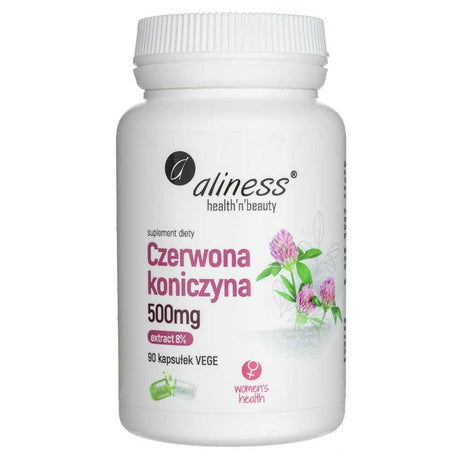


Aliness
Aliness Sarkanā āboliņa ekstrakts 8% 500 mg - 90 kapsulas Veg
Parastā cena €12.59Vienības cena€0.14 par gabalu


Melno ķimenes sēklu eļļa
Melno ķimenes sēklu eļļa (Nigella sativa) ir tradicionāls līdzeklis ar labi izstrādātu pretiekaisuma un vielmaiņas profilu. Sievietēm, kas piedzīvo menopauzi, tās nozīmīgākās priekšrocības ietver veselīgas glikozes līmeņa regulēšanu asinīs — kas palīdz mazināt kāri pēc saldumiem — kā arī gremošanas uzlabošanu un labāka miega veicināšanu. Tās nomierinošās īpašības padara to noderīgu arī nervozitātes mazināšanai, kas bieži pavada hormonālo svārstību periodu. Melnā ķimenes eļļas iekļaušana ikdienas rutīnā ir vienkāršs, uz pārtiku balstīts solis, kas var nozīmīgi veicināt vispārējo labsajūtu šajā periodā.
Fiziskā aktivitāte
Regulāra kustība ir viena no visvairāk ar pierādījumiem pamatotajām pieejām menopauzes simptomu pārvaldībai. Iešana, riteņbraukšana, peldēšana, joga, un spēka treniņi visi sniedz savstarpēji pārklājošus ieguvumus: tās veicina veselīgu svara kontroli, samazina locītavu un muskuļu sāpes, uzlabo miega kvalitāti, uzlabo garastāvokli, izraisot endorfīnu izdalīšanos, un aizsargā kaulu blīvumu — pēdējais no šiem faktoriem kļūst arvien svarīgāks, samazinoties estrogēna līmenim. Pat neliels ikdienas aktivitātes pieaugums rada jūtamus ieguvumus. Sievietēm, kuras jau izjūt locītavu sāpes, īpaši piemēroti sākuma posmi ir mazāk intensīvas aktivitātes, piemēram, peldēšana vai iešana. Papildu locītavu atbalstam, apskatiet mūsu kaulu, locītavu un skrimšļu produktu klāstu.
Sēžamvieta (Kegela) vingrinājumi
Urīna nesaturēšana ir viens no privātākajiem un nepatīkamākajiem menopauzes simptomiem, par kuru daudzas sievietes nevēlas runāt. Hormonālās izmaiņas vājina iegurņa grīdas muskuļu tonusu, samazinot kontroli pār urinēšanu — gan fiziskas slodzes laikā, gan atpūtas brīžos. Kegela vingrinājumi — iegurņa grīdas muskuļu sasprindzināšana un atslābināšana kontrolētos atkārtojumos — ir viena no visefektīvākajām nemedicīniskajām ārstēšanas metodēm šajā gadījumā. Regulāra prakse vairāku nedēļu garumā var radīt ievērojamu uzlabojumu, un dažos gadījumos pilnīgu problēmas atrisinājumu. Tiem nav nepieciešams aprīkojums, un tos var veikt jebkur.
Uztura korekcijas
Uzturs, kas bagāts ar dārzeņiem, augļiem, pilngraudu produktiem, pākšaugiem, un veselīgajām taukskābēm, atbalsta svara kontroli un nodrošina daudzus mikroelementus — magniju, kalciju, D vitamīnu, B vitamīnus — kas kļūst īpaši svarīgi menopauzes laikā un pēc tās. Rafinētā cukura, pārstrādātu pārtikas produktu, un alkohola samazināšana parasti uzlabo gan simptomu smagumu, gan miega kvalitāti. Ēšana regulāros intervālos palīdz uzturēt stabilu glikozes līmeni asinīs, samazinot garastāvokļa svārstības un alkas, ko var izraisīt hormonālie svārstījumi. Neliels kaloriju daudzuma samazinājums (salīdzinājumā ar uzņemto daudzumu pirms menopauzes) bieži vien ir viss, kas nepieciešams, lai novērstu pakāpenisku svara pieaugumu, kas saistīts ar vielmaiņas palēnināšanos.


Life Extension
Life Extension Sojas izoflavoni - 30 kapsulas
Parastā cena €31.89Vienības cena€1.06 par gabalu


Menopauze un kontracepcija
Bieži nepamanīts perimenopauzes aspekts ir tas, ka grūtniecība joprojām ir iespējama. Neregulāras menstruācijas pārejas periodā bieži tiek nepareizi interpretētas kā auglības zudums — taču ovulācija joprojām var notikt neparedzami. Sievietēm, kuras nevēlas Wish ieņemt bērnu, perimenopauzes laikā jāturpina lietot kontracepciju un, atkarībā no individuālajiem apstākļiem, arī kādu laiku pēc tam. Šim posmam piemērotas iespējas ietver intrauterīnas ierīces (IUD), hormonālos implantus, un atbilstošus perorālos kontracepcijas līdzekļus. Ginekologs var sniegt padomu par vispiemērotāko izvēli, ņemot vērā individuālo veselības vēsturi. Lai atbalstītu miegu šajā pārejas periodā, varētu būt vērts iepazīties ar mūsu miega bagātinātāju kolekciju https://medpak.shop/collections/sleep.
Šim rakstam ir tikai informatīvs raksturs, un tas neaizstāj ārsta konsultāciju. Ja jums ir veselības problēmas, esat grūtniece, barojat bērnu ar krūti vai lietojat zāles, konsultējieties ar ārstu vai farmaceitu. Uztura bagātinātāji neaizstāj daudzveidīgu uzturu.


