

Augļu mušas no pirmā acu uzmetiena var šķist nekaitīgas. Tās ir sīkas un lēnīgas, taču vienmēr parādās baros, kurus var aprakstīt vienīgi kā īstu vasaras un rudens postu. Tās vairojas pārsteidzošā ātrumā, kas nozīmē, ka to īsais 10 dienu dzīves ilgums sniedz maz mierinājuma. Pirms to dzīves cikla beigām, tās būs ievērojami pavairojušās un padarījušas dzīvi nepatīkamu ikvienam mājsaimniecības loceklim.
No kurienes nāk augļu mušas?
Augļu muša (Drosophila melanogaster) ir mazs kukaiņš no divspārņu kārtas, kura garums ir tikai 2–3 mm. Tās ožu receptori atrodas uz antenām, un to jutība ir patiesi ievērojama — tie ļauj augļu mušai uztvert etanola un etilacetāta smaržu no attāluma līdz pat vairākiem metriem. Šie savienojumi rodas fermentācijas procesā, kas notiek bojājošos augļos.
Augļu mušas parādās visur, kur augļi sāk bojāties. Pat neliels pārgatavojušos vai pūstošu augļu gabaliņš ir pietiekams, lai tos piesaistītu. Mātīte dēj olas bojātajā augļu vai dārzeņu daļā, un kāpuri attīstās par pieaugušiem īpatņiem ar neparastu ātrumu. Pieaugušais kukaiņš barojas ar raugu, kas veidojas uz sadalošos produktos, tāpēc jebkuri nogatavojušies vai pūstoši augļi ir īpaši pievilcīgi tiem kā barības avots.
Kur augļu mušas dēj olas?
Lai gan augļu mušas dod priekšroku jau pūstošiem augļiem — tās piesaista fermentācijas laikā izdalītais etanols —, tās faktiski dēj olas uz augļiem, kas vēl ir nogatavināšanās procesā. Tas rada īpaši lielas problēmas, jo mušas pārnēsā baktērijas un vīrusus, pārvietojoties no viena augļa uz otru, paātrinot gan svaigu, gan jau fermentējošu produktu bojāšanos. Tas nozīmē, ka neliels augļu mušu uzbrukums var ātri izraisīt ievērojamus pārtikas zudumus jūsu virtuvē.
Kā atbrīvoties no augļu mušām: mājas līdzekļi
Ir daudz efektīvu veidu, kā iznīcināt augļu mušas, neizmantojot ķīmiskos līdzekļus. Vairāki parasti mājsaimniecībā sastopami priekšmeti var kalpot kā spēcīgi ieroči cīņā pret šiem neatlaidīgajiem kukaiņiem.
Augļu lamatas
Viena no populārākajām metodēm ir klasiskā augļu lamata. Ielieciet sagrieztus augļu gabaliņus vai mizas bļodā vai burciņā. Cieši nosedziet trauku ar pārtikas plēvi, pārliecinoties, ka nav atstarpes. Tad ar zobu bakstāmo vai dakšu izduriet plēvē vairākus mazus caurumus. Augļu mušiņas viegli iekļūs caurumos, lai sasniegtu ēsmu, bet nespēs atrast ceļu atpakaļ.
Etiķa un trauku mazgāšanas līdzekļa maisījums
Vēl viens ļoti efektīvs mājas līdzeklis ir trīs sastāvdaļu sajaukšana vienādās proporcijās: ūdens, augļu etiķis (vai sula), un trauku mazgāšanas līdzeklis. Ielejiet maisījumu burciņā un atstājiet to uz nakti. No rīta, virsū peldēs noslīkušas augļu mušas. Trauku mazgāšanas līdzeklis samazina šķidruma virsmas spraigumu, neļaujot mušām droši nosēsties uz virsmas.
Piena, cukura, un piparu šķīdums
Mazāk pazīstama, bet efektīva metode ir vārīt pienu ar četrām tējkarotēm cukura un divām tējkarotēm piparu apmēram 10 minūtes. Ielejiet maisījumu sekla traukā un gaidiet, līdz augļu mušas tiek piesaistītas un iemestas šķīdumā.
Vīna pudeles triks
Maz zināms fakts ir tas, ka augļu mušas piesaista vīna smarža. Vienkārši atstājiet atvērtu pudeli ar nelielu vīna daudzumu dibenā. Mušas ieies pudelē caur šauru kakliņu, bet nespēs izkļūt — šaurā atvere darbojas kā dabiska vienvirziena piltuve.
Pašdarinātas līmlapas
Augļu mušām patīk saldas vielas, ko var izmantot, lai izgatavotu pašdarinātas līmlapas. Ņemiet gabalu bieza papīra vai kartona, uzveriet to uz auklas, un iemērcējiet kļavu sīrupā vai medus un etiķa maisījumā. Kad liekais šķidrums būs notecējis, pakariniet lamatas pie pārtikas glabāšanas vietas. Mušas nosēstos uz lipīgās virsmas un paliks tur iestrēgušas.
Kādas smaržas atbaida augļu mušas?
Attiecībā uz augļu mušām profilakse bieži vien ir efektīvāka nekā ārstēšana. Vairākas dabiskas smaržas darbojas kā spēcīgi atbaidītāji, kurus šie kukaiņi vienkārši nevar paciest.
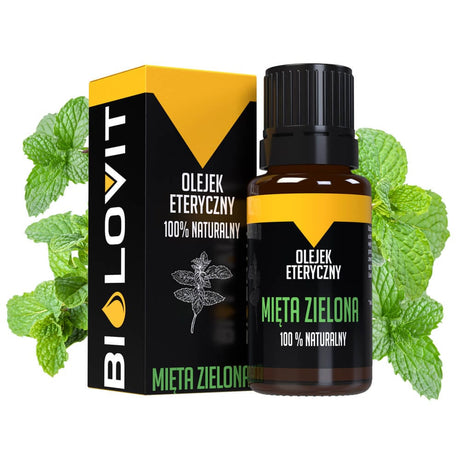
- Piparmētra un mentols — Augļu mušām ļoti nepatīk piparmētru smarža. Mentola smaržojošas sveces, konfektes, vai un ēteriskās eļļas, kas novietotas netālu no augļu uzglabāšanas vietām, var palīdzēt tās atturēt.
- Svaigs baziliks — Svaiga bazilika aromāts ir vēl viena smarža, ko augļu mušas izvairās. Podiņā augošs baziliks virtuvē pilda trīskāršu funkciju: tas ir līdzeklis pret augļu mušām, ēdiena sastāvdaļa, un pievilcīgs dekors.
- Ciedra — Ciedra smarža ir dabisks augļu mušu atbaidītājs. Dekoratīvs priekšmets, kas izgatavots no ciedra koka vai zariem, var piešķirt jūsu virtuvei patīkamu aromātu, vienlaikus atbaidot augļu mušas.
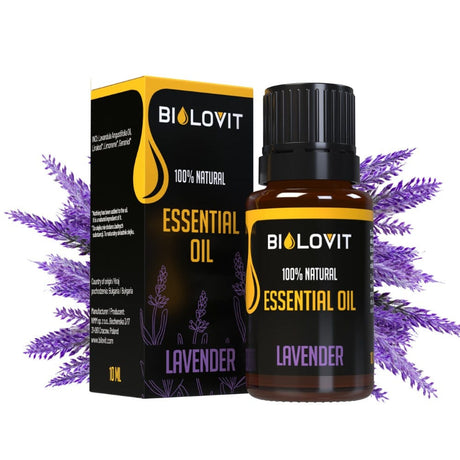
- Lavanda — Lavandas ēteriskā eļļa ir efektīvs atbaidītājs ne tikai augļu mušām, bet arī naktstauriņiem. Tās efektivitātes saglabāšanai ir svarīgi to lietot regulāri visus vasaras mēnešus.






 28% atlaide
Bilovit
Bilovit Spearmint ēteriskā eļļa - 10 ml
Izpārdošanas cena €1.29 Parastā cena €1.79Vienības cena€1.29 /10ml




Ķīmiskās metodes augļu mušu apkarošanai
Ja dabiskās metodes izrādās nepietiekamas,, veikalos pieejamie ķīmiskie produkti var sniegt spēcīgāku atbalstu. Tie ietver gan insekticīdus, gan repelentus ar aromātu. Tomēr, ķīmiskos risinājumus vajadzētu uzskatīt par pēdējo līdzekli, jo aerosola insekticīdiem ir būtiski trūkumi.
Insekticīdu izsmidzināšana virtuvē prasa no telpas iznest visus pārtikas produktus — uzdevums, kas bieži vien nav ne viegls, ne ātrs. Pēc tam telpa ir rūpīgi jāvēdina un visas līdzenās virsmas jānotīra. Lai gan šī metode var būt efektīvāka nekā dabiskās alternatīvas smagas invāzijas gadījumā, ar to saistītais darbs ir ievērojams. Mazāk invazīva ķīmiskā iespēja ir vienkāršs ūdens un šķidrā ziepju maisījums. Kad to uzsmidzina uz augļu mušām, to spārni salīp kopā. Imobilizētie kukaiņi nokrīt uz virsmām un tos var viegli noslaucīt. Aizsardzībai ārpus telpām vai ilgstošākām kukaiņu problēmām, varētu būt vērts apsvērt arī speciālus atbaidīšanas līdzekļus.
Augļu mušu invāzijas novēršana
Ņemot vērā to, cik ātri augļu mušas vairojas, profilakse vienmēr ir vēlamāka nekā cīņa ar jau izveidojušos invāziju. Ievērojot dažus vienkāršus noteikumus, var ievērojami samazināt iespēju, ka augļu mušas atgriezīsies jūsu mājās:
- Uzturiet virsmas tīras — Regulāri noslaukiet virtuves virsmas un uzturiet atkritumu tvertni tīru un noslēgtu
- Uzreiz nomazgājiet produktus — Nomazgājiet augļus un dārzeņus, tiklīdz tos atnesat mājās, lai noņemtu olas, kas varētu jau būt klāt
- Uzglabājiet gudri — Kad vien iespējams, turiet augļus un dārzeņus ledusskapī vai zem pārsega
- Cieši aizskrūvējiet pudeles — Vienmēr aizskrūvējiet sulas, etiķa, un pat nagu lakas noņēmēja, pudeles, jo augļu mušas pievilina ar fermentāciju saistītas smaržas
- Rīkojieties ar organiskajiem atkritumiem — Organiskos atkritumus izmetiet nekavējoties un pārliecinieties, ka tie ir pareizi noslēgti atkritumu tvertnē
Šo vadlīniju ievērošana ievērojami palīdzēs saglabāt mājokli bez augļu mušām visā siltajā sezonā. Un tiem, kas dod priekšroku dabiskai pieejai, lai uzturētu virtuvi svaigu un bez kukaiņiem, mūsu aromterapijas kolekcija ietver virkni ēterisko eļļu, kas darbojas gan kā patīkamas mājas smaržas, gan kā efektīvi dabīgi atbaidītāji.
Šim rakstam ir tikai informatīvs raksturs, un tas neaizstāj ārsta konsultāciju. Ja jums ir veselības problēmas, esat grūtniece, barojat bērnu ar krūti vai lietojat zāles, konsultējieties ar ārstu vai farmaceitu. Uztura bagātinātāji neaizstāj daudzveidīgu uzturu.


