

Govs piens jau sen tiek uzskatīts par uztura pamatu — ērtu kalcija, D vitamīna, un olbaltumvielu avotu. Taču daudziem cilvēkiem visā Eiropā, tas vienkārši nav piemērots. Neatkarīgi no tā, vai tas ir saistīts ar laktozes nepanesamību, kazeīna alerģiju, vai augu izcelsmes uzturu, to cilvēku skaits, kuri meklē piena produktu alternatīvas, ir ievērojami pieaudzis. Labā ziņa? Augu izcelsmes piena alternatīvas ir attīstījušās tālu pāri nišas veselīgas pārtikas tendencēm, un Toda piedāvātās iespējas nodrošina iespaidīgu uzturvielu daudzveidību.
Kāpēc cilvēki atsakās no govs piena
Laktozes nepanesamība skar ievērojamu daļu Eiropas iedzīvotāju — aprēķini liecina, ka vairāk nekā trešdaļa pieaugušo piedzīvo gremošanas traucējumus, patērējot piena produktus. Tādi simptomi kā vēdera uzpūšanās, vēdera krampji, un caureja ir izplatīti, un daudziem, govs piena izslēgšana no uztura sniedz jūtamu atvieglojumu. Neatkarīgi no nepanesamības, kazeīns — galvenais proteīns piena produktos — ir viens no izplatītākajiem pārtikas alergēniem, un var izraisīt imūno reakciju, sākot no viegla ādas kairinājuma līdz nopietnākām reakcijām. Vegāni, protams,, pēc noklusējuma izslēdz visus dzīvnieku izcelsmes produktus. Neatkarīgi no iemesla, augu izcelsmes piens ir kļuvis par leģitīmu un plaši pieejamu alternatīvu.
Kokosriekstu piens
Pagatavots, sajaucot kokosriekstu mīkstumu ar ūdeni, kokosriekstu piens ir bieza konsistence, krēmīgs, un dabiski salds ar izteiktu tropisku garšu. Tas ir bagāts ar vidēji garo ķēžu taukskābēm (MCT), kuras tiek metabolizētas atšķirīgi no garo ķēžu taukskābēm un var veicināt enerģijas līmeni un veselīgu holesterīna līdzsvaru. Kokosriekstu piens satur arī mangānu, varu, fosforu, selēnu, dzelzi, un magniju, kā arī C vitamīnu, B vitamīnus, un folātu. Tas tradicionāli tiek saistīts ar gremošanas veselības atbalstīšanu un iekaisuma mazināšanu, un tā antibakteriālās īpašības ir labi dokumentētas uztura pētījumos. Mandeļu piens ir viena no populārākajām piena alternatīvām, un to ražo no samaltām mandelēm un ūdens. Tam ir maiga, nedaudz riekstaina garša, un tas ir īpaši zems kaloriju saturs — parasti daudz zemāks nekā govs pienam — padarot to par izvēli tiem, kas seko līdzi savam enerģijas uzņemumam. Mandeļu piens nodrošina E vitamīnu, D vitamīnu, B2, B12, kāliju, un nelielu daudzumu fosfora. Bagātinātās versijas nodrošina arī ievērojamu kalcija daudzumu. Īpaši izceļas E vitamīns kā spēcīgs antioksidants, kas atbalsta ādas veselību un palīdz aizsargāt šūnas no oksidatīvā stresa. Atšķirībā no govs piena, mandeles pienam ir minimāla ietekme uz cukura līmeni asinīs, kas var būt izdevīgi tiem, kuri kontrolē savu glikozes reakciju.
Lazdu riekstu piens
Lazdu riekstu pienam ir dabiski bagātīga, krēmveida tekstūra un maigi salds, riekstu garša, kas lieliski sader ar kafiju un brokastu pārslas. Tas ir labs neaizvietojamo UNS piesātināto taukskābju, avots, kas atbalsta sirds un asinsvadu un gremošanas sistēmas darbību, uzlabo koncentrēšanās spējas, un var palīdzēt stiprināt imūno reakciju. Lazdu riekstu piens ir arī īpaši bagāts ar E vitamīnu, kas veicina veselīgu ādu, matus, un nagus, vienlaikus palīdzot palēnināt šūnu novecošanās procesus. Tiem, kas meklē garšīgu un uzturvielu bagātu alternatīvu, lazdu riekstu piens ir spēcīgs pretendents.
Indijas riekstu piens
Indijas riekstu pienam ir bieza, krēmveida konsistence, kas īpaši labi der kā krējuma aizvietotājs sāļajos ēdienos, vai kā piena aizvietotājs saldajos ēdienos. Uzturvērtības ziņā, tas ir viens no pilnvērtīgākajiem augupiena veidu, kas satur gan piesātinātās, gan nepiesātinātās taukskābes, kā arī C, E, K, B6 vitamīnus, tiamīnu9 niacīnu, folātu, kalciju, dzelzi, fosforu, magniju, kāliju, nātriju un cinku. Vērts izcelt cinka un selēna saturu — ir zināms, ka šie minerālvielas veicina ādas tīrību, stiprina nagus un matus, un palīdz samazināt pārmērīgu matu izkrišanu. Indijas riekstu piens atbalsta arī sirds un asinsvadu un neiroloģiskās funkcijas, veicinot veselīgu asinsspiedienu, atmiņu, un garastāvokli.
Veselības atbalsts, pārejot uz augu izcelsmes pieniem
Viena no lietām, kas jāņem vērā, atsakoties no govs piena, ir nodrošināt, ka jūs turpināt apmierināt savas uztura vajadzības — jo īpaši attiecībā uz kalciju un D vitamīnu, diviem uzturvielām, kas ir cieši saistītas ar piena produktiem. Lai gan daudzi bagātināti augu piena produkti nodrošina šo uzturvielu uzņemšanu,, to daudzums joprojām var ievērojami atšķirties. Tiem, kuri ievēro piena produktu nesaturošu vai augu izcelsmes uzturu, var būt lietderīgi lietot mērķtiecīgus uztura bagātinātājus, lai saglabātu kaulu veselību un imūnsistēmas darbību. Iepazīstieties ar mūsu kalcija piedevām un D vitamīna klāstu, lai atrastu uzticamus produktus no tādiem zīmoliem kā Now Foods,, Solgar,, un Aliness.
Ja jūsu pārejas iemesls bija laktozes nepanesamība,, gremošanas fermentu piedevas var sniegt papildu atbalstu — īpaši gadījumos, kad piena produktus ne vienmēr var izvairīties. Mūsu gremošanas veselības kolekcija ietver fermentu preparātus, kas izstrādāti, lai atbalstītu komfortablu gremošanu. Lai uzlabotu zarnu veselību, kvalitatīvs probiotikas preparāts no mūsu probiotiku klāsta var būt vērtīgs papildinājums piena produktu nesaturošai ikdienas rutīnai.

Solgar
Solgar Kalcijs magnijs ar D3 vitamīnu - 150 tabletes
Parastā cena €18.19Vienības cena€0.12 par gabalu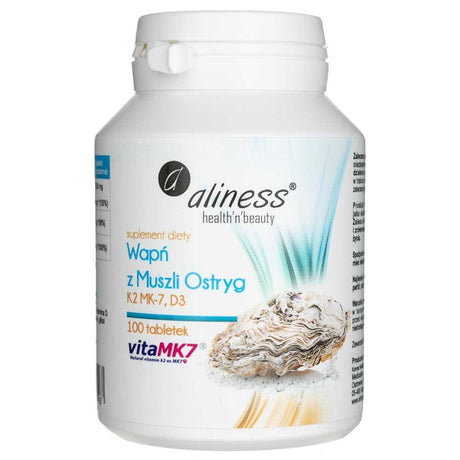


Aliness
Aliness Kalcijs no austeru čaumalas ar K2 MK-7 un D3 vitamīnu - 100 tabletes
Parastā cena €11.49Vienības cena€0.11 par gabalu


Now Foods
Now Foods D3 vitamīns 2000 SV - 240 mīkstās kapsulas
Parastā cena €10.49Vienības cena€0.04 par gabalu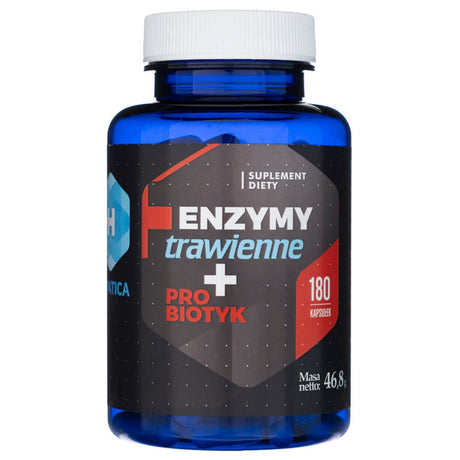


Hepatica
Hepatica Gremošanas enzīmi Probiotikas - 180 kapsulas
Parastā cena €10.39Vienības cena€0.06 par gabalu
Doctor's Best
Doctor's Best Gremošanas enzīmi - 90 augu kapsulas
Parastā cena €38.39Vienības cena€0.43 par gabalu


Solgar
Solgar Cinka pikolināts 22 mg - 100 tabletes
Parastā cena €12.89Vienības cena€0.13 par gabalu


Šim rakstam ir tikai informatīvs raksturs, un tas neaizstāj ārsta konsultāciju. Ja jums ir veselības problēmas, esat grūtniece, barojat bērnu ar krūti vai lietojat zāles, konsultējieties ar ārstu vai farmaceitu. Uztura bagātinātāji neaizstāj daudzveidīgu uzturu.


